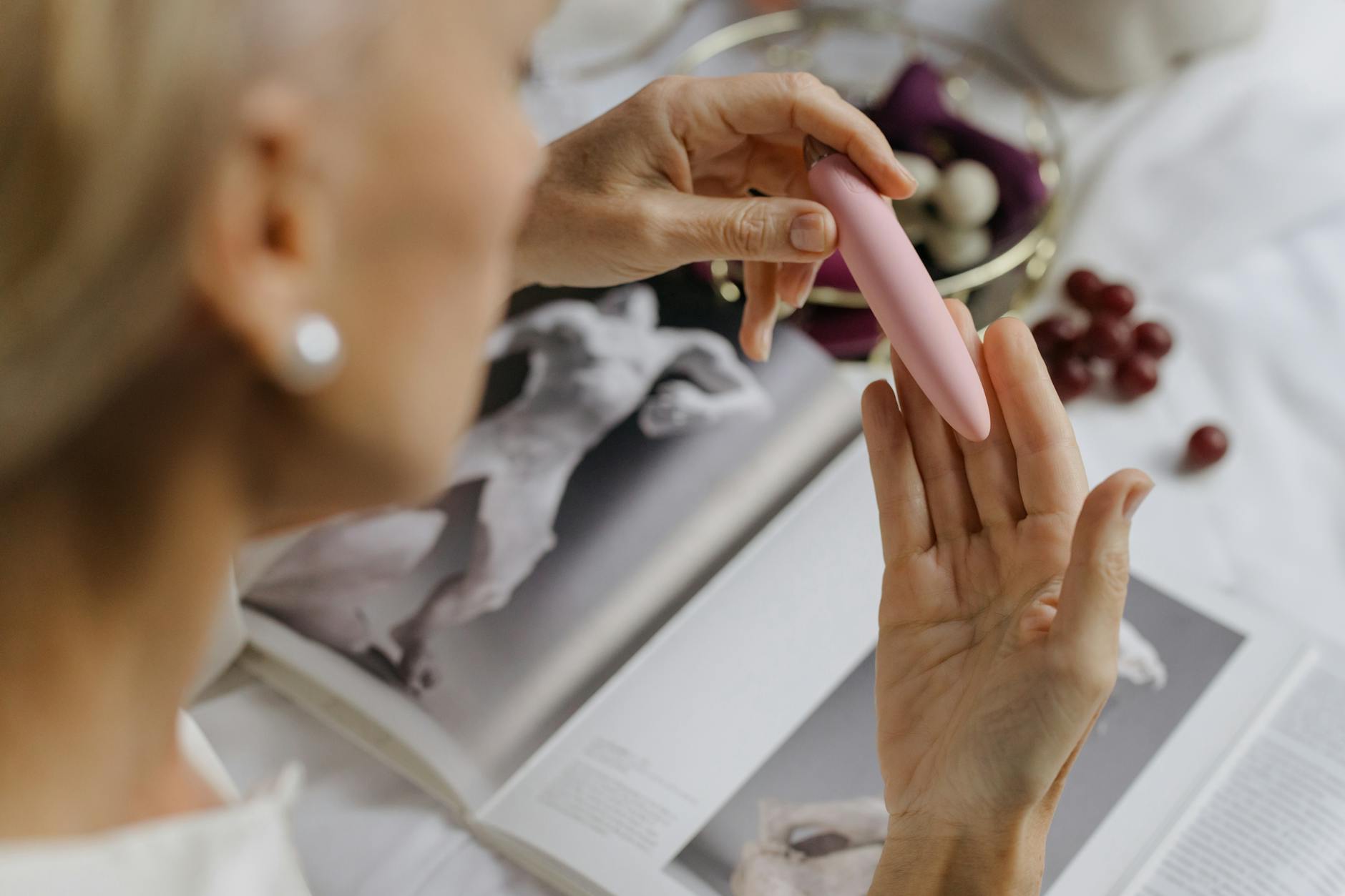
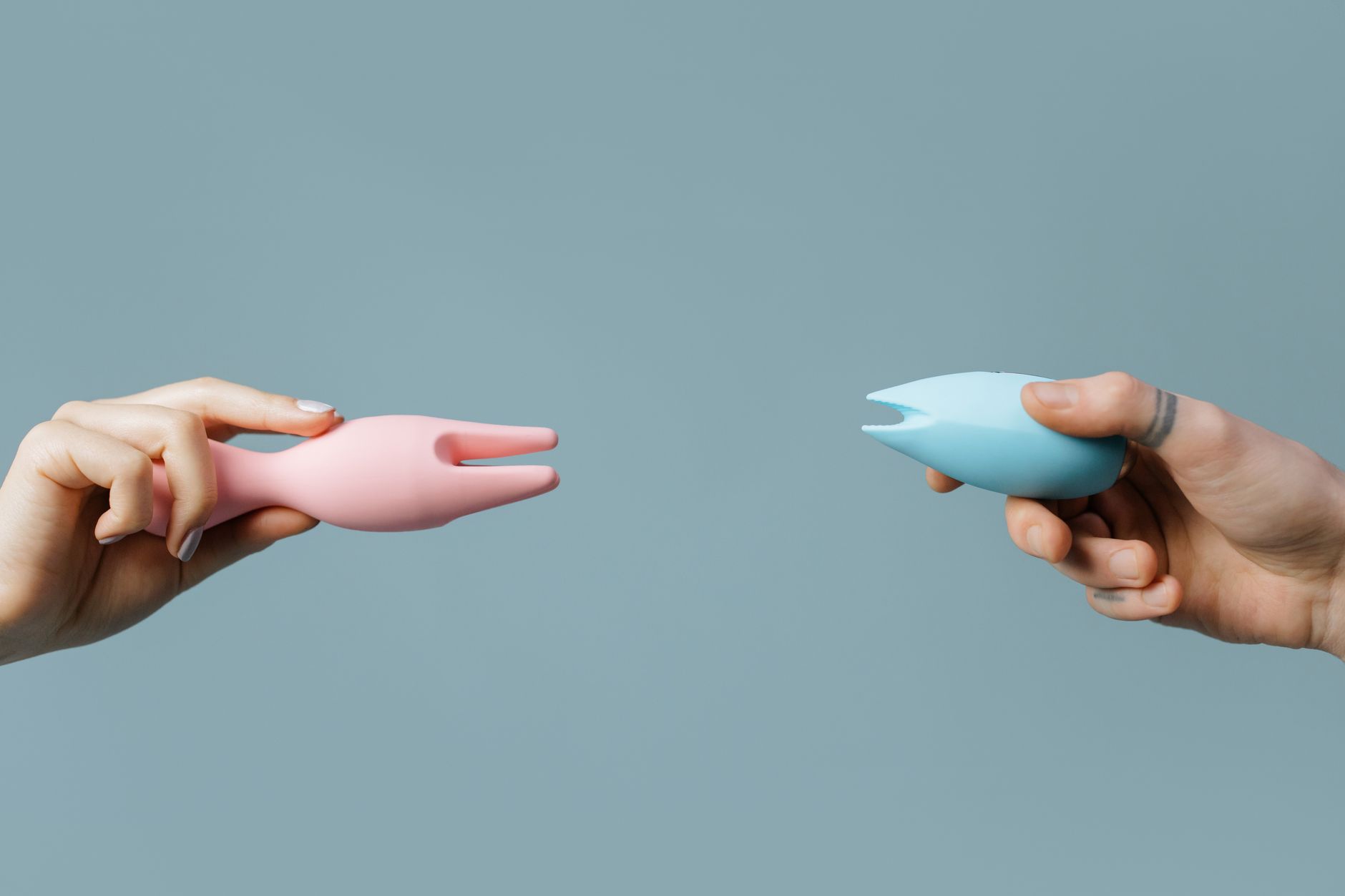
Here's something nobody tells you: your clitoris often becomes more sensitive, not less, as you get older. That's not wear and tear. That's actually a feature of how your nervous system matures.
The problem is that most vibrator advice is written for people in their twenties. When you're in your thirties, forties, or beyond and suddenly your go-to toy feels intense in a way it didn't before, the default assumption is something's wrong. It's not. You're just working with different wiring now.
Your clitoris doesn't have an expiration date, but it does change. The tissue itself becomes slightly denser with age. The nerve endings don't multiply, but they seem to fire more efficiently. This isn't universal—some people experience exactly the opposite—but it's common enough that it deserves real attention.
What I see most often in my practice is this: a person who's spent fifteen or twenty years with vibrators suddenly finds they need to use lower settings, or they need more space between sessions, or they need to approach stimulation differently altogether. They assume they've lost something. They haven't. They've just recalibrated.
The other piece is purely mental. By your thirties or forties, you usually know what you like. You've shed the performance anxiety of earlier years. You're not trying to prove anything to yourself or a partner. That ease translates directly into nervous system response. Your body literally processes pleasure more efficiently when your brain isn't running seventeen other scripts at once.
Lemon clitoral vibrators work through suction and gentle pulsation, which is why they're so effective for people whose tissue sensitivity has shifted. They don't rely on the kind of direct friction that can feel overwhelming if your clitoris has become more reactive.
If you've been using the same lemon vibrator for years and it suddenly feels intense, here's what's usually happening: you're not losing sensitivity, you're gaining it. Your nervous system is responding to stimulus more quickly. The suction feels deeper. The pulse patterns feel stronger. That's not a malfunction.
The good news is that a lemon vibrator is actually easier to modify than almost any other toy. You can control intensity by changing how you position it, how long you use each setting, and what kind of lube you're using.
Instead of placing your lemon vibrator directly on your clitoris, position it slightly off to one side. You'll still get the suction benefit—your clitoris will respond to the pressure changes in the surrounding tissue—but the sensation will feel about 30 to 40 percent less intense. This is not a downgrade. Indirect stimulation often produces deeper, more full-body orgasms because it engages more of your vulva.
2. Hover instead of seal.
Most people assume you need a complete seal for your lemon vibrator to work. You don't. If you're finding the sensation too much, break the seal slightly. Let a tiny bit of air escape. You'll reduce the suction pressure while keeping all the pulsation benefits. Start with a broken seal and increase the contact slowly as your body warms up.
3. Shorter session lengths with longer recovery time.
Increased sensitivity sometimes means your clitoris gets overwhelmed faster. Rather than fighting this, work with it. Use your lemon vibrator for 5 to 10 minutes instead of 15 or 20. Then take a break. This isn't deprivation. It's actually how multiple orgasms become easier. Your clitoris needs a few minutes to reset between waves of stimulation. You might find you have three or four separate orgasms in one session instead of chasing one big one.
Most people think lube is just about comfort. It is. But it's also a volume dial for sensation.
Water-based lubes offer the most texture variation. Silicone-based lubes create a smoother glide, which slightly reduces friction intensity and can make suction feel less sharp. Hybrids sit somewhere in the middle. If your lemon vibrator suddenly feels too strong, switching from water-based to silicone-based lube (obviously safe with your specific toy) is often the easiest adjustment.
More lube also diffuses intensity. Not because it's thicker, but because it increases the surface area of contact. If you're using a generous amount, the sensation spreads across your vulva instead of concentrating directly on your clitoris.
If you've been using the same pulsation pattern for years, your nervous system has likely adapted to it. That's not boredom. That's habituation. Your body needs novelty to respond with the same intensity.
The counterintuitive move: try slower patterns or simpler rhythms instead of faster, more complex ones. This isn't lowering intensity so much as it's creating new sensation for your nervous system to pay attention to. A slow, steady pulse often feels more intense than rapid vibration because your clitoris registers each beat distinctly. After habituation to fast patterns, slow feels novel again.
Rotate between patterns every few days. Your nervous system resets quickly when you change the input.
Increased sensitivity can feel vulnerable. After years of knowing how to make your body do exactly what you want, suddenly needing different technique or less intensity can feel like loss. It's not.
What's actually happening is that your body is asking you to pay closer attention. Increased sensitivity demands more intention. You can't zone out and expect the same result. That requirement for presence is actually what deepens pleasure over time.
If you're partnered, this is worth naming out loud. "My clitoris is more sensitive now" is not "I'm broken" or "We need to try harder." It's "I'm noticing something different, and I'm curious about it." That conversation itself often improves intimacy because it shifts you both into exploration mode instead of performance mode.
Increased clitoral sensitivity sometimes arrives alongside other shifts. Tissue changes, arousal timing differences, or changes in what kind of touch you want. None of these are separate problems. They're all your nervous system adapting. When you understand how hormonal changes affect your pleasure with lemon vibrators, you see that sensitivity isn't random. It's systemic.
Same with pelvic floor changes. If you're also noticing shifts in sensation during pelvic floor recovery, your increased clitoral sensitivity might actually be part of your nervous system waking back up. These things work together.
Don't overhaul everything at once. Pick one change: position, lube type, or session length. Use it for three or four sessions. Notice what happens. Then add another variable if you want.
Your nervous system learns fast, but it learns best incrementally. Small adjustments let you feel the difference each one makes. You end up with actual knowledge about your body instead of just trying things.
Increased sensitivity isn't a loss of function. It's the body you have now asking you to learn it again. That's not punishment. That's an invitation to pay attention. Lemon clitoral vibrators are perfect for that work because they let you dial in exactly what you need.
Not necessarily. Increased sensitivity with age is common and usually just nervous system maturation. That said, if sensitivity appeared suddenly alongside pain, unusual discharge, or other physical changes, check in with a gynecologist. Most of the time it's just your body recalibrating. But it's worth confirming.
No. It means your nervous system is responding well. Try the positioning and lube adjustments first. Intensity isn't a problem to solve—it's information to work with. Most people find they prefer lower-intensity stimulation with longer session times anyway because it leads to deeper, more sustained pleasure.
Often, yes. Your orgasms might feel different—sometimes more localized, sometimes more full-body—but most people report they're more satisfying. Increased sensitivity means your clitoris registers more detail. That detail is what creates the good stuff.
Your body adapts fast. Usually two or three sessions with a new approach and you'll know whether it works. Your nervous system learns new patterns quickly once you start paying attention. That's actually the whole point: you're training your body to respond to something different.
Absolutely. You don't need to buy a new toy. The same lemon vibrator works fine—you're just using different technique. Positioning, lube, pattern selection, and session structure change the experience completely without changing the device itself.
Completely normal. Stress, sleep, cycle phase if you're still menstruating, and even what you ate affect how sensitive your clitoris feels. That variability is part of having a nervous system. Work with it instead of against it. Some days you'll want indirect contact. Some days direct will feel perfect. Both are fine.
The actual work here is paying attention. Your body is telling you something new. Lemon vibrators are tools. The real skill is learning to listen to what you need and adjusting accordingly. That's where the best pleasure lives—not in the toy itself, but in the relationship you build with your own nervous system over time.
If you want to explore this more deeply with a partner or on your own, I'm here. Get in touch and we can talk through what's showing up for you.