Let's start with the thing nobody says out loud
Orgasms used to feel like something. Now they feel like... less. Maybe it's been gradual. Maybe it happened overnight. Either way, you're not imagining it, and you're definitely not broken.
Pleasure & Sensation
Your body hasn't broken. Your nervous system has just adapted. Here's how to rebuild sensation and why lemon clitoral vibrators work differently when intensity has faded.
Orgasms used to feel like something. Now they feel like... less. Maybe it's been gradual. Maybe it happened overnight. Either way, you're not imagining it, and you're definitely not broken.
This is one of the most common experiences people don't talk about, which means most of us assume it's personal failure instead of what it actually is: a predictable neurological response to habit, stress, medication, or relationship patterns. And the good news? It's reversible.
Here's the part that surprises people. Your orgasm capacity hasn't changed. Your nerve density is the same. Your clitoral anatomy is intact. What's shifted is how your nervous system responds to stimulation.
Think of it like listening to the same song on repeat. The first time you hear it, your brain floods with dopamine and adrenaline. By the hundredth time, you're humming along but your body isn't reacting with the same intensity. That's not the song's fault. That's adaptation.
Three main culprits show up repeatedly in my practice:
Desensitization from repetitive stimulus. If you've been using the same vibration pattern, the same pressure, the same angle for years, your nerve endings simply stop firing at full capacity. They're not tired. They're just... used to it.
Stress and nervous system dysregulation. When you're in chronic stress mode (work pressure, relationship tension, family stuff), your parasympathetic nervous system struggles to activate. You can physically have an orgasm, but it arrives muted because your body isn't fully in "receive" mode.
Desensitizing lubes. Here's a weird one people miss. Numbing lubes and benzocaine-based products train your nerve endings to expect less sensation. Why Lemon Vibrators Feel Stronger After Stopping Numbing Lubes covers this in depth, but the short version: your body adapts to reduced input and "learns" to register less.
There's also medication (SSRIs, blood pressure meds, antihistamines), hormonal shifts, pelvic floor tension, and relationship disconnection. But the mechanism is always the same: your nervous system has adapted downward.
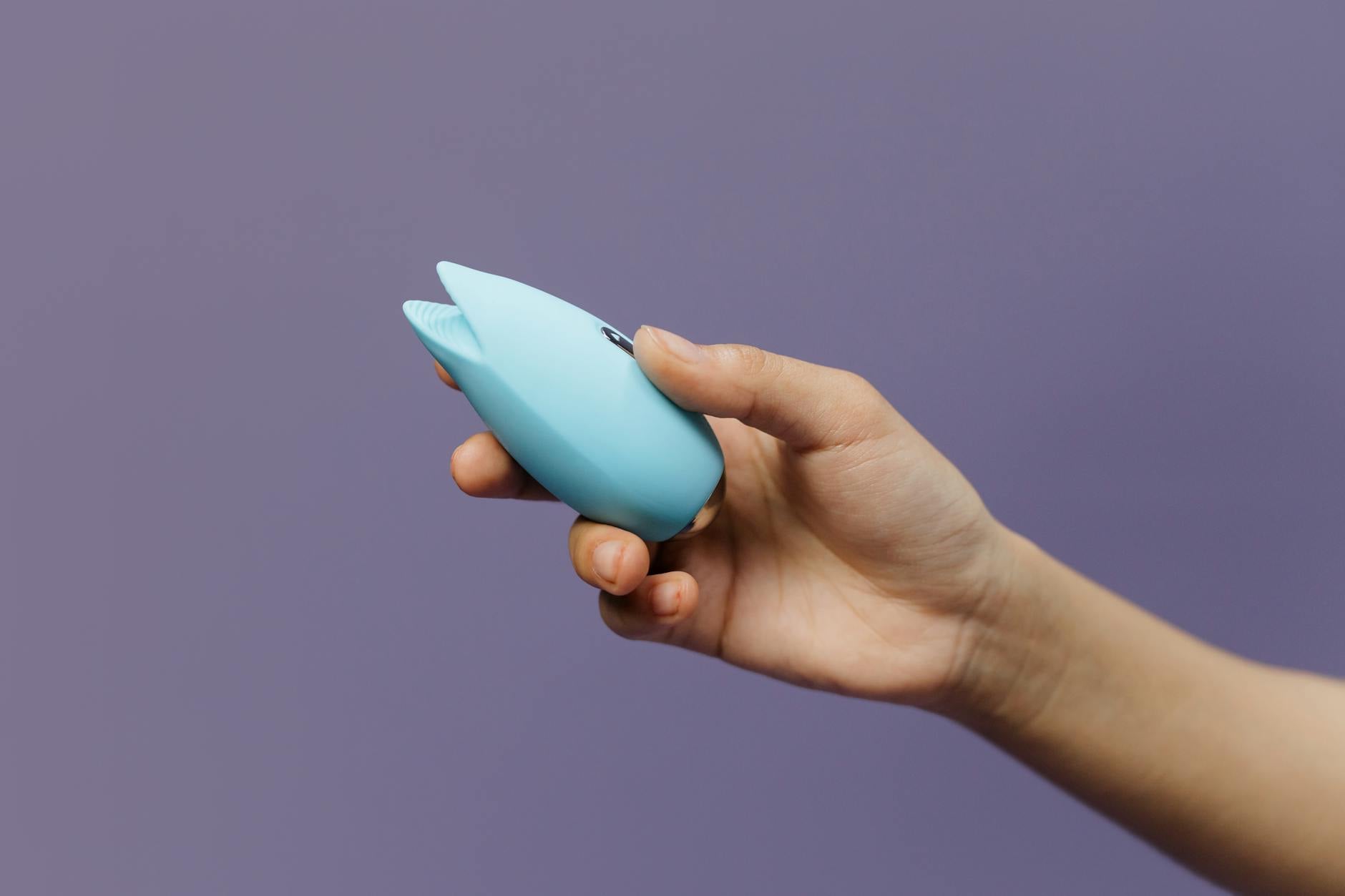
I recommend lemon vibrators specifically for sensation recovery because of how they stimulate the clitoris differently than traditional vibrators.
Most wand vibrators and standard bullet toys use continuous oscillation. Your nerve endings fire, then they quickly habituate (that's the clinical word for "stop responding"). After a few minutes, your body feels the vibration, but there's less sensation because your nerves have already accommodated to the pattern.
Lemon's suction-based technology works on a different principle. Instead of a single vibration frequency, suction creates a rhythmic pulse that combines pressure changes with micro-movements. Your nerves don't habituate as quickly because the stimulus is technically variable, even if you're holding the device steady.
It's the difference between someone rubbing your arm in the same way for two minutes (you stop noticing it) versus someone gently squeezing and releasing (you keep noticing it, because the input keeps changing).
For people recovering sensation intensity, this matters. A lemon clitoral vibrator will often produce noticeably stronger responses than what you've been getting from your current setup, not because there's more power, but because the stimulation pattern resists habituation.
Okay, so you want to actually restore intensity. This is a nervous system project, not just a toy project. Here's what works:
Phase One: Reset (1-2 weeks). Take a complete break from whatever you've been using. At least 7-10 days without vibration. This sounds dramatic, but it's the fastest way to reset your nerve endings. They won't recalibrate faster, but they will recalibrate more completely.
During this phase, you can still have pleasure. Hands, partners, fantasy, edging without climax. Just no vibration.
Phase Two: Reintroduction (weeks 3-4). Start with your new lemon vibrator on the lowest setting. Yes, lowest. Use it for just 5-8 minutes, 2-3 times a week. The goal isn't orgasm yet. The goal is noticing sensation. Where do you feel it most? What speeds feel good? What's the minimum stimulation that creates response?
Most people skip this phase and jump to intensity. Don't. Your nervous system needs to remember what baseline sensation feels like.
Phase Three: Expansion (weeks 5-8). Gradually increase session length and intensity. But here's the key: vary the pattern. Use setting 1 for two minutes, setting 2 for one minute, back to setting 1. Move the device around. Change angles. Don't let your body habituate to a single pattern.
Phase Four: Integration (ongoing). Once you're reliably experiencing stronger sensations, the maintenance protocol is simple: never use the same pattern for more than 5-7 minutes. Vary it. Your nervous system won't habituate if you keep changing the input.
This isn't punishment. It's actually more pleasurable because novelty is more intense anyway.
Here's what I tell my clients: your toy is maybe 40 percent of this equation. Your nervous system is 60 percent.
If you're using a lemon clitoral vibrator while mentally running through your to-do list, checking your phone, or waiting for something to happen, your parasympathetic nervous system isn't activated. You won't feel intense sensation because your body is in low-power mode.
Intensity requires genuine presence. That sounds mystical. It's actually just neurobiology.
Three practical shifts that create nervous system activation:
Remove the audience. Even if your partner isn't physically present, if you're thinking about their reaction or their schedule, you're not fully present. Solo sessions with your phone in another room aren't punishment. They're therapeutic. Your nervous system can release into sensation without divided attention.
Add breathing work. I know, I know. But here's why it works: shallow breathing keeps your nervous system in slight activation (fight or flight). Deeper, slower breathing signals safety to your body. Before you use your lemon vibrator, spend 90 seconds on box breathing: inhale for 4, hold for 4, exhale for 4, hold for 4. Repeat 4-5 times. Your sensation capacity will actually increase because your body isn't in threat mode.
Change the location or timing. If you always use your vibrator at night in bed half-asleep, your body has adapted to that context. Try morning, try a different room, try a different time of day. Novelty in context reactivates the nervous system's attention.
If you've gone through all four phases and sensation is still muted, it's worth checking four things:
First, medication. If you started an antidepressant, blood pressure med, or antihistamine in the last 6-12 months, ask your doctor specifically about sexual side effects. Sometimes a different medication in the same class has fewer side effects. Sometimes dosage adjustment helps.
Second, relationship dynamics. If you're anxious in your relationship or feeling disconnected from your partner, your parasympathetic nervous system stays partially offline. How Lemon Vibrators Help Couples Reconnect After Emotional Distance gets into this more deeply, but the short version: you can't feel intense pleasure while your body is monitoring for relationship threat.
Third, pelvic floor tension. People who clench their pelvic floor in high-stress situations often develop chronic holding patterns that actually dampen sensation. A few sessions with a pelvic floor physical therapist can completely shift this.
Fourth, broader nervous system dysregulation. If you're in chronic fight-or-flight mode from stress, work, parenting, or anxiety, your entire sensory system runs muted. This isn't a vibrator problem. It's a stress management and nervous system regulation problem.
Why keep mentioning lemon clitoral vibrators instead of any vibrator? Because their suction mechanism creates a sensation profile that's harder for your nervous system to habituate to.
When you're rebuilding sensation intensity, you need a toy that naturally resists the adaptation response. That's not marketing. That's applied neurobiology.
A lemon vibrator also gives you more granular control. You can do single-pulse patterns (press and release, press and release) versus continuous settings. That intentional variation is what prevents habituation.
You're not just buying a toy. You're buying a tool that actually works against the nervous system's tendency to adapt. That's the whole point of rebuilding.
Realistically? Most people see noticeable changes in sensation intensity within 4-6 weeks of consistent, varied use. Some feel shifts within two weeks. A few people need 8-10 weeks, especially if they've been using the same pattern for years.
The key is consistency without repetition. Same frequency, different patterns. That's what your nervous system responds to.
Orgasms don't have to fade into the background. You're not stuck at a lower level of sensation. Your nervous system just adapted to habit, and nervous systems can radapt to novelty. That's actually their design.
Why do orgasms feel weaker as you get older? Age alone doesn't diminish orgasms. Habit, stress, medication, and relationship patterns do. Many people report stronger orgasms after 40 or 50 compared to their twenties, specifically because they've learned how to use varied stimulation and they're less distracted by external pressure. See How to Use Lemon Vibrators for Stronger Orgasms After Forty for specifics around midlife sensation shifts.
Can you permanently lose the ability to feel intense orgasms? No. Your nerve endings don't permanently change. Your nervous system adapts, which is temporary and reversible. The rebuild protocol essentially retrains your nervous system to recognize and respond to sensation at higher intensity.
Is it normal to need a more powerful vibrator to feel the same sensation as before? It's common, but it usually means habituation rather than actual desensitization. A more powerful vibrator might feel better temporarily, but you'll habituate to that intensity too within weeks. Varied stimulation works better than increased power.
Should I take breaks from using vibrators to recover sensation? Short answer: yes, strategic breaks help. But "never using vibrators" isn't the answer. Varied use with intentional pattern-switching prevents habituation more effectively than abstinence does. The reset phase (Phase One) is valuable, but ongoing variation matters more than deprivation.
What if my partner thinks reduced intensity means I'm less attracted to them? This is a conversation issue, not a sensation issue. Sensation intensity has nothing to do with attraction and everything to do with nervous system adaptation. If your partner is reading reduced orgasm intensity as personal rejection, you might benefit from How to Use Lemon Vibrators to Improve Intimacy With Your Partner, which addresses the communication side directly.
Can stress actually make orgasms feel weaker? Absolutely. Chronic stress keeps your parasympathetic nervous system partially offline, which means your body can't fully relax into sensation. This is often the primary culprit. Addressing stress (exercise, sleep, therapy, meditation) often restores orgasm intensity faster than anything toy-related.
Less intense orgasms aren't a permanent state. They're your nervous system telling you it's adapted to what you've been doing. Change the pattern, reset the stimulus, and rebuild with varied, mindful use of a tool like a lemon clitoral vibrator.
Your capacity for pleasure is still there. It's just waiting for you to stop repeating the same input and start exploring something different.
If you want to talk through what's shifted or what might help your specific situation, reach out. That's what I'm here for.