Clitoral desensitization is real. It's not rare. And it's not a sign that you've broken anything or that your pleasure is permanently damaged. But the way it creeps up on you, the way you might not notice it's happening until months have passed, can feel genuinely unsettling.
You might notice that your go-to vibrator doesn't feel quite like it used to. Or that you need longer warm-up time. Or that you've been reaching for higher intensity settings without realizing it, chasing a sensation that's become slightly more distant. This isn't about getting bored with your toys. This is about actual changes in how your nervous system is responding to stimulation.
Clitoral desensitization happens through a few overlapping mechanisms, and understanding them takes the shame out of the equation.
The first is habituation. Your nervous system is incredibly smart at adapting. When you experience the same stimulus repeatedly, your body gradually requires more input to register the same sensation. This is why a vibration pattern that felt incredible six months ago now feels... fine. Your nerve endings haven't died. They've just gotten used to the signal.
The second is reduced blood flow. Stress, hormonal changes, medication, or simply getting older can all decrease circulation to the clitoris. Less blood flow means less engorgement, which means less sensitivity. This is often paired with dryness, which makes everything feel duller.
The third is nerve compression or irritation. If you've been using the same toy, the same pressure, the same angles repeatedly over months or years, you can develop a mild inflammatory response or temporary nerve irritation. It's not permanent, but it's real.
The fourth is psychological. Performance anxiety, relationship stress, work overwhelm, or just general mental load can absolutely decrease genital sensation. Your brain isn't sending the arousal signals it used to, so your body doesn't respond with the same intensity.
Most people experience a combination of these, which is why desensitization usually feels gradual and confusing rather than sudden.
First, routine use. If you have a toy you absolutely love, and you use it the same way every single time, your nervous system adapts faster than you might think. A year of nightly vibration on the exact same setting is different from varied, experimental stimulation.
Second, numbing products. Water-based lubes are great. But some formulations, especially ones marketed as "cooling" or "tingling," can actually create a mild numbing effect if used consistently. The cooling sensation can mask other sensations, and over time, your nerves adapt to expecting that sensation rather than building toward arousal the old way.
Third, stress and life changes. A breakup, a new job, a move, medication changes, or just the general fog of midlife can absolutely suppress clitoral sensation. This isn't weakness. It's your nervous system prioritizing survival over pleasure, which is exactly what it's supposed to do when you're under chronic stress.
Desensitization usually shows up as a slow fade rather than a sudden switch. You might notice any of these:
Your usual settings feel less intense, so you've gradually cranked up to higher speeds or patterns without realizing it. The time it takes to reach arousal is stretching out. You're not reaching orgasm as reliably, even when you have time and privacy. Your favorite toy feels almost boring, which makes you wonder if you're just "not in the mood" when actually your body is sending quieter signals.
The key is paying attention to the baseline. If your orgasm used to arrive in 10 minutes and now it takes 20, or if it used to feel intense and now it feels distant, that's data. That's not judgment. That's information you can work with.
Here's where the approach changes. You can't shock your system back to sensitivity through brute force. You have to teach it to feel again.
Step one: take a break. This is counterintuitive but essential. Stop using vibrators entirely for 7-10 days. Your nervous system needs to reset its baseline. During this time, hands are fine. Actually, they're better. Manual stimulation forces you to stay present and pay attention to what actually feels good.
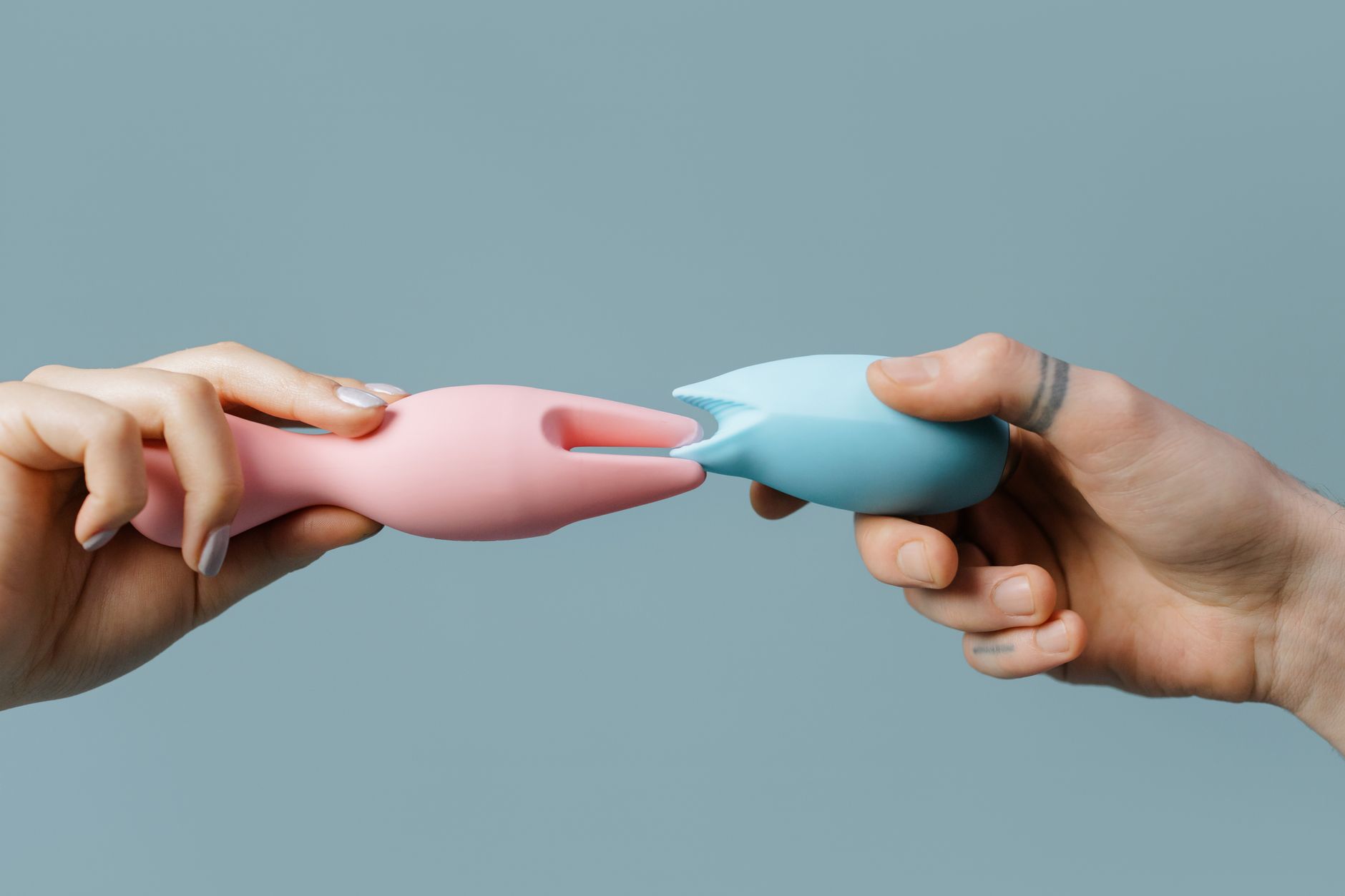
Step two: switch patterns. When you return to toys, pick something you don't usually use. If you've been using a vibrator, try an air-suction toy like The Lemon Clitoral Vibrator, which works through a completely different mechanism. The sensation is so distinct that it can bypass the habituation response entirely. Your body doesn't have a well-worn neural pathway for suction, so it pays attention.
Alternatively, if you've been using suction, switch back to traditional vibration but with completely different patterns. Explore settings you normally skip. The novelty itself is part of the reset.
Step three: go slower, not faster. This is where most people mess up. They assume they need more intensity, so they jump straight to the highest settings. That's the opposite of what your nervous system needs. Start at the lowest settings and spend 15-20 minutes exploring. Give your body time to wake up gradually. Intensity comes later, if at all.
Step four: change your approach. If you usually lie down, try sitting or standing. If you're alone, try partnered stimulation. If you're partnered, try solo exploration. Different positions and contexts change how sensation travels through your body.
Step five: use the right lubrication. Drop the numbing or cooling lubes entirely for now. Use a simple, unflavored water-based lube that's just... slippery. You want sensation, not distraction.
Your nervous system is deeply pattern-sensitive. It's designed to notice new things and get bored with old ones. This is actually a feature, not a bug. You can use it.
When you introduce a truly novel sensation, your brain perks up. Blood flow increases. Attention sharpens. Nerves fire in sequences they haven't fired in months. It's not that the new toy is "better." It's that different is waking you up.
This is why how to use lemon vibrators for sensation play with a new partner resonates so strongly. The combination of novelty, new touch, and psychological excitement creates a perfect reset environment. Even if you're solo, you're creating that novelty internally through variety.
If desensitization is paired with stress, anxiety, or life changes, the physical retraining alone won't be enough. Your nervous system is locked in a lower gear.
This is where grounding practices actually matter. Not meditation apps, but real nervous system reset: cold water on your face, deliberate slow breathing, movement, time outside. You can't feel pleasure if you're in a chronic state of vigilance. Your body won't allocate blood and neural resources to the clitoris when it thinks you're under threat.
If you're working with a partner, communication helps. Not "I'm not sensitive anymore" but "I want to explore some new things together." Context shifts sensation. Permission shifts it. Curiosity shifts it.
If desensitization is paired with any of these, get it checked:
Pain or numbness that doesn't improve with rest and novelty. Changes in sensation that arrived suddenly rather than gradually. A complete absence of clitoral sensation despite the reset protocol. Sensation loss paired with other neurological symptoms.
These could indicate nerve compression, hormonal changes that need treatment, medication side effects, or other factors that deserve professional attention.
Most people see improvement within 2-3 weeks of consistent reset work. Some feel it within days. A few take longer. This isn't linear. You might have a night where sensation feels completely restored, then feel duller the next night. Keep going. You're rewiring, not flipping a switch.
Once sensation returns, the maintenance is about variety. Different toys, different patterns, different contexts, different partners if applicable. Routine is the enemy of sensation. Novelty is your friend.
Most people notice changes within 2-3 weeks of consistent break time and novelty exploration. Full restoration usually takes 4-8 weeks, depending on how long desensitization has been happening and what caused it. If stress is a factor, the timeline extends, because you're working on two things simultaneously: physical reset and nervous system regulation.
No. Numbing lubes actively work against what you're trying to do. Drop them entirely during the reset phase. Use simple, unflavored water-based lubrication only. Once sensation is restored, you can experiment with other products if you want, but not while you're in recovery mode.
Absolutely not. Desensitization is a nervous system adaptation, not nerve damage. Your capacity for sensation is still there. You're just teaching your system to recognize it again. It's completely reversible.
Actually, yes. Air-suction toys like The Lemon work through a different sensory pathway than traditional vibration. This novelty can be exactly what a desensitized nervous system needs to wake back up. But don't start on high settings. Start on pattern one and spend 20 minutes exploring very gently.
You don't need to explain desensitization in clinical terms. You can simply say, "I want to explore some new sensations together," or "I'm curious about trying things differently." If your partner is resistant to any change in your sexual routine, that's actually the bigger conversation worth having. How to use lemon vibrators with a partner who is skeptical digs into this more deeply.
Yes. Chronic stress reduces blood flow to the genitals and suppresses arousal signaling in the brain. You can have perfectly healthy nerve endings and still experience reduced sensation because your nervous system is in survival mode. Addressing the stress is as important as the physical reset work.
It's common, but it's not inevitable. If you notice you're constantly reaching for higher settings, pause and experiment with lower ones instead. Habituation usually responds better to variation and novelty than to escalation. You're not broken if you need more intensity, but you might also be masking the fact that your baseline is shifting downward.
Desensitization isn't a punishment for using toys too much. It's not a sign that your body is damaged or that your pleasure is broken. It's a completely normal adaptation response that you can reverse with the right information and approach.
The reset protocol works because it respects how your nervous system actually functions. You give it a break, you introduce novelty, you go slowly, and you create the conditions for sensation to return. It's not mystical. It's not complicated. It's just paying attention to what your body actually needs instead of what you assume it needs.
If you want to explore this with professional guidance or have questions about your specific situation, reach out to us. Otherwise, get curious, get gentle with yourself, and trust that sensation comes back. It always does.