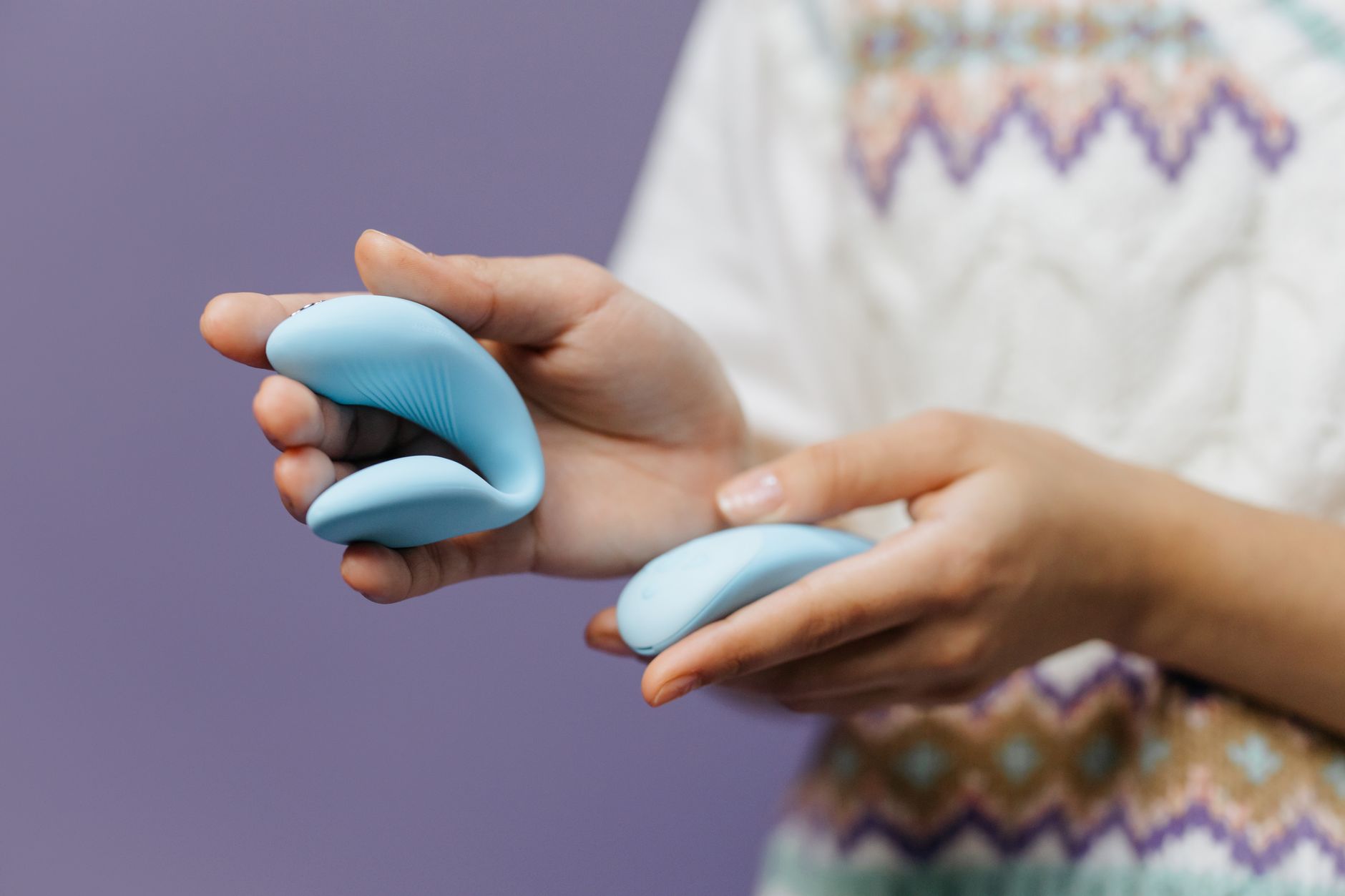
How to Use Lemon Vibrators With a Partner Who Is Skeptical
Your partner thinks vibrators are unnecessary or a threat to the relationship. Here's how to frame the conversation so it becomes something you explore together, not something you argue about.
Honestly though, when someone resists the idea of lemon vibrators or any toy in the bedroom, they're usually protecting one of three things: their sense of being sufficient, their idea of what intimacy should look like, or their fear that toys mean something has gone wrong between you. None of those fears are stupid. Understanding which one your partner is sitting with changes everything about how you approach the conversation.
I've worked with hundreds of couples where one person wanted to introduce vibrators and the other dug in hard. The couples who moved forward weren't the ones who just showed up with a toy one day or made a logical case. They were the ones who reframed what a vibrator actually is: not a replacement, not a critique, but an expansion. Let's talk about how to do that.
"I should be enough." Your partner has a narrative about what good sex means, and in that narrative, toys feel like a failure on their part. This is less common than it used to be, but it still shows up, especially in people who grew up with messaging that intimacy means a man's penis should be able to create an orgasm. The myth is persistent. The shame underneath it is real. If this is your partner's core anxiety, leading with "you're amazing, and I want more of you" backfires. It sounds like you're trying to console them, which confirms the worry.
"This means something's wrong." A lot of people interpret a request for toys as a translation of "I'm not satisfied" or "Our sex life is boring." They're hearing criticism when you're actually asking for expansion. This fear doesn't respond well to reassurance alone because reassurance sounds like damage control. It needs a different framing entirely.
"I don't understand what this is for." Some partners have never seen or used a vibrator. They have no schema for it. A lemon clitoral vibrator might seem like weird technology or, honestly, kind of absurd. The shape is different. The sensation is unfamiliar. Unknown things feel risky, especially when they're sexual. Education helps here, but not in a lecture format.
"I'm worried you'll prefer it to me." This one comes up less often but cuts deeper. Your partner is imagining you alone with a toy, choosing it over time together, or getting something from it you've never asked them for. It's worth addressing directly.
Start small. Don't lead with "I want to use vibrators." Lead with curiosity about them.
"I've been thinking about exploring pleasure a bit differently, and I'm curious what you think about it." That opens the door without putting them on the defensive. They're not being asked to approve something. They're being asked to think alongside you.
Then wait. Let them ask questions. Their questions tell you which anxiety they're carrying. If they ask what they did wrong, you're dealing with the "I should be enough" fear. If they ask what you need that you're not getting, you're dealing with the "something's wrong" narrative.
To the first: "Nothing. You're not missing anything. I just want to experience my body in a new way, and I think it could be fun to explore that together."
To the second: "Nothing's wrong. I want to add something, not replace something. The difference between wanting dessert and being unsatisfied with dinner."
If they ask whether you'd use it alone, that's a different opening. You can say yes or no depending on what's true, but the frame matters. "I might. But right now I'm curious about us trying it together first." You're signaling partnership, not secrecy.
If your partner is genuinely curious, don't give them a TED talk. Show them instead.
You could say: "Lemon vibrators work differently than the vibrators from, like, 2005. They use suction instead of just buzzing. It's more targeted to how the clitoris is actually wired." That's useful information without being clinical. Then, if they want to know more, they'll ask.
You could also show them reviews from couples who use lemon vibrators together. Not to convince them, but to normalize the idea. When they read someone saying "my partner was skeptical at first, but now they love using it with me," they're seeing themselves in that story. The resistance drops a little.
Never shame their skepticism. Don't say things like "tons of people use toys" or "this is normal now." That's dismissive. Their hesitation is real. Acknowledge it. "I get that this feels weird at first" is better than pushing past it.
If your partner agrees to try, don't make it a whole production. The stakes don't need to be high.
Suggest using the lemon vibrator during foreplay, not as the main event. Let them watch what happens. Let them see how your body responds. Seeing is believing in a way that explanations aren't. They might start to understand that the vibrator isn't separate from connection. It's part of it.
You could say: "I want to use this for a bit during foreplay. You don't have to do anything different. Just be here with me." That removes the pressure for them to operate it or understand it immediately. They just witness.
If they want to hold it, great. If they want to apply it themselves, even better. That shifts the dynamic from "she's using a toy instead of me" to "we're using this together." That's the narrative change that matters.
If your partner is still resistant after a genuine conversation, you have to ask yourself what you need and whether you can live with their answer. This is bigger than vibrators. It's about whether you both feel safe bringing desires to the table.
That doesn't mean they have to love lemon vibrators or any sex toy. But they do need to be willing to engage with the fact that you're curious about them. If they're shutting that down completely, that's a relationship pattern worth exploring with a therapist. Not because something's wrong with them, but because avoidance usually shows up in other places too. A good couples therapist can help you both understand what's underneath the resistance and whether you can work with it together.
Many couples I've worked with find that once they get past the initial awkwardness, introducing toys becomes a moment of real connection. Your partner realizes you're not asking them to be different. You're asking them to explore more of what you both are. That's actually pretty intimate.
You don't know until you ask. But pay attention to how they respond to the conversation itself. If they're dismissive or shut you down immediately, that's information. If they ask questions, hesitate, or say "I'm not sure," that usually means they're thinking about it. People who are genuinely closed off tend to make a final statement and move on. People who are just scared ask more questions. The question-asking is where hope lives.
There's no wrong answer. Some people feel more confident introducing something they've used themselves. Others prefer to explore it together so it doesn't feel secretive. What matters is being honest about which one you're choosing and why. If you use it alone and then tell your partner, they might wonder why you didn't invite them. If you only use it with them, they might feel like you're only doing it for them. Neither is bad. Just choose what feels true.
Pause. Not permanently. Just in that moment. Say something like "This doesn't have to work out the first time. We can try again whenever." Take the pressure off both of you. Sometimes people agree to things intellectually but aren't ready emotionally. That's okay. Come back to it when they've had time to sit with the idea. Trust builds slowly.
No vibrator can fix relationship insecurity. But a vibrator can be part of the healing if you're also addressing the real issue. If your partner believes you're less attracted to them, a toy won't change that. Honest conversation, reassurance, and time together will. Once that foundation is stronger, introducing toys becomes about expansion instead of feeling like evidence of a problem.
Honesty is better than mystery here. If you have been thinking about it, say that. "I've been curious about this for a while, and I'm bringing it up now because I trust you and I want us to explore it together." That's vulnerable and clear. The alternative is your partner wondering why you suddenly want this, which creates more suspicion.
That's a real feeling, and it matters. But frustration at your partner isn't the same as disagreement about toys. If your partner genuinely won't engage with the idea, you have to decide if you can accept that boundary. If you can't, that's worth examining. Are you wanting the toy itself, or are you wanting a partner who's willing to explore your sexuality with you? Those are different things, and the answer changes what you do next.
Introducing lemon vibrators to a skeptical partner isn't about convincing them vibrators are good. It's about inviting them into your curiosity and addressing the fears underneath their resistance. Sometimes that invitation changes everything. Sometimes it doesn't, and that's information too. Either way, you're moving from assumption to actual conversation. That's where real intimacy starts.
If you're ready to explore this together, you might start by having the conversation without any toy present. Just talk. Let them ask what they need to ask. Then, if you both want to move forward, reach out to The Lemon Adult Toys support team if you have questions about how lemon clitoral vibrators actually work or what to expect.
Your partner's skepticism isn't a wall. It's usually just a door that needs the right conversation to open.