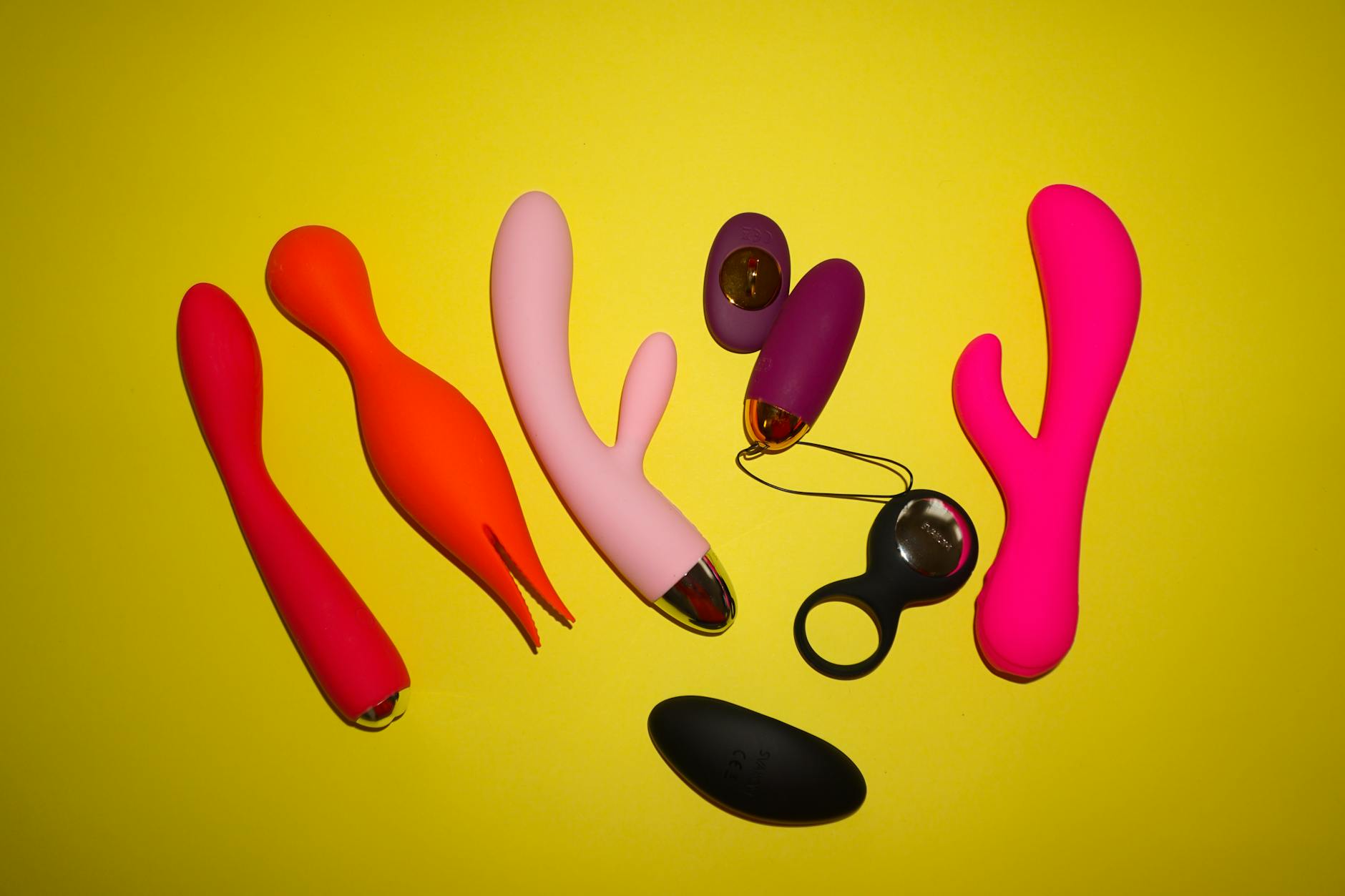
I work with couples all the time who buy a lemon vibrator together, use it once, and then one partner ends up using it solo later. They always say the same thing: "It feels weird now." Not bad. Weird. That stuck with me.
There's a real reason for that. Your brain, your nervous system, and your sense of permission all shift when you move between solo and partnered pleasure. The lemon vibrator itself hasn't changed. You have.
This is the big one. When you're solo, there's no audience. No partner waiting to see what happens. No unconscious checking in about whether you're taking too long, whether you're being too loud, whether you're doing it "right." That cognitive load just vanishes.
Your nervous system can drop into a parasympathetic state faster. Your breathing stays steady. Your mind doesn't split between your own pleasure and someone else's experience. That's not a small thing. It's the difference between playing a song for yourself and playing it for a room full of people.
Many of my clients report that solo sessions with a lemon clitoral vibrator feel longer, more exploratory, and less goal-oriented. You can take twenty minutes to figure out exactly which speed and angle works best. You can stop. You can change your mind. You can do the same thing five times in a row if you want to.
When your partner is there, even if they're explicitly "just watching" or holding space, your nervous system knows it. Your pelvic floor tightens slightly. Your brain is doing background math on timing and communication. None of this is bad. It's just different.
When a partner is involved, lemon vibrators become a conversation. Someone else is watching. Someone else is learning what gets you there. Someone else is invested in the outcome.
This changes what "good" feels like. Instead of pure sensation, you're also tracking connection. Eye contact. Breathing together. The way your partner's energy shifts when they see what actually works for you. These are real sensations, and they're neurologically distinct from solo pleasure.
Many couples find that introducing a lemon vibrator into partnered sex actually deepens intimacy because they have to talk. "Does this feel good?" "What does this speed do for you?" "Can I try?" The toy becomes a medium for communication, not just stimulation.
The downside is that some people feel self-conscious. They worry they're taking too long. They're hyperaware of their partner watching. For people who struggle with this, solo practice with a lemon vibrator first often helps tremendously. You get to build a relationship with the toy, learn what you like, and then bring that knowledge into the partnered space.
Here's something I see constantly in my therapy practice: people give themselves more permission when they're alone.
Solo, you don't have to justify wanting pleasure. You don't have to negotiate. You don't have to check whether your partner is tired or stressed or in the mood. You just do it. That directness is actually neurologically powerful. Your brain categorizes solo pleasure differently than partnered pleasure. One is purely for you. The other involves compromise.
When I work with couples who've had a rough patch, reintroducing solo lemon vibrator use often helps more than partnered exploration. Why? Because solo pleasure reminds you that you still have your own nervous system, your own desires, your own access to joy. That's foundational. Partnered pleasure can't substitute for that.
Some partners worry that a lemon vibrator will "replace" them or that solo use means the relationship is in trouble. It doesn't. It means the person is tending their own pleasure, which is actually what makes them a better partner.
This is subtle but real. Many of my clients report that they use their lemon vibrator on a higher setting when they're alone and a lower setting when partnered.
Why? When you're solo, you're optimizing purely for sensation. You want maximum input. When partnered, you're often moderating slightly because you want to stay present and connected. You're not chasing the fastest orgasm. You're enjoying the journey.
Some people reverse this. They actually use a lemon clitoral vibrator more intensely partnered because the emotional safety allows them to go deeper. That matters too. There's no "right" intensity. But the setting itself often shifts between solo and partnered use.
Solo sessions with a lemon vibrator often feel longer than they are. You lose track of time because there's no external feedback loop. Partnered sessions often feel shorter because you're tracking another person's experience alongside your own.
This isn't just a perception thing. Your brain's sense of time genuinely shifts based on cognitive load. When you're alone, you have more mental bandwidth to notice sensation in detail. That detail-attention makes time feel expansive. When you're partnered, your attention is split, so the session flies.
I mention this because some couples expect partnered lemon vibrator sessions to feel the same as solo ones. They don't. Knowing that difference is real helps people not pathologize what they're feeling.
Solo pleasure often leaves you in a quiet, reflective state. You might lie down. You might journal. You might just sit with the feeling. That post-pleasure space is valuable. It's restorative.
Partnered pleasure usually leads somewhere else. Cuddling. Conversation. Possibly more sex. The nervous system has a different landing spot. Both are good. Both feed something real. But they're not interchangeable.
This is why I never recommend replacing solo practice with partnered exploration. They do different things for your nervous system. They're both necessary.
Neither. Both. The research on sexual health is clear: people who maintain solo pleasure practice alongside partnered exploration report higher satisfaction in both contexts.
Solo lemon vibrator use keeps you connected to your own desire. It reminds you what you like without external input. It's a form of self-knowledge that translates into better partnered experiences.
Partnered exploration builds intimacy and communication. It creates shared meaning around pleasure. It deepens vulnerability.
The couples I work with who thrive are usually doing both. Solo practice on their own schedule. Partnered exploration when the timing and energy align. No competition. No either-or.
If you're single, a lemon vibrator is a tool for pleasure and self-understanding. If you're partnered, it's a tool for both individual satisfaction and connection. The same device. Two separate practices. Both worth protecting.
Not at all. In fact, the opposite. People who maintain solo pleasure practices report higher sexual satisfaction in relationships. Solo use keeps you attuned to your own body and desires, which you can then bring to partnered sex. It's not a replacement for partnered intimacy. It's foundational to it.
Your nervous system modulates sensation based on context. When partnered, your brain is tracking another person's experience, which uses cognitive bandwidth. This isn't a conscious choice, but your pelvic floor often tightens slightly, and your perception of sensation shifts. This is normal and doesn't mean anything is wrong.
No. The couples who struggle most are usually the ones keeping things hidden. If you're uncomfortable sharing, that's worth exploring either solo or with a therapist. Your partner doesn't need to be involved in every session, but they should know the practice exists. Transparency builds trust.
Not typically. What can happen is that solo practice reveals what actually works for you, which sometimes means partnered sex as it currently exists isn't meeting your needs. That's not the vibrator's fault. That's useful information. It opens a conversation.
Yes, especially if partnered sex involves performance pressure or communication breakdowns. Many people prefer solo sessions because there's no negotiation, no checking in, no compromise. If you're consistently choosing solo over partnered, that's worth examining. Is it the solo experience you love, or are you avoiding something in the partnership?
There's no "should." It depends on what you and your partner need. Some couples explore together weekly. Some do partnered sessions monthly and solo sessions in between. Some do only solo practice. The frequency that works is the frequency you both consent to and enjoy.
Your pleasure matters whether you're flying solo or sharing the moment. A lemon vibrator just makes it easier to honor both.