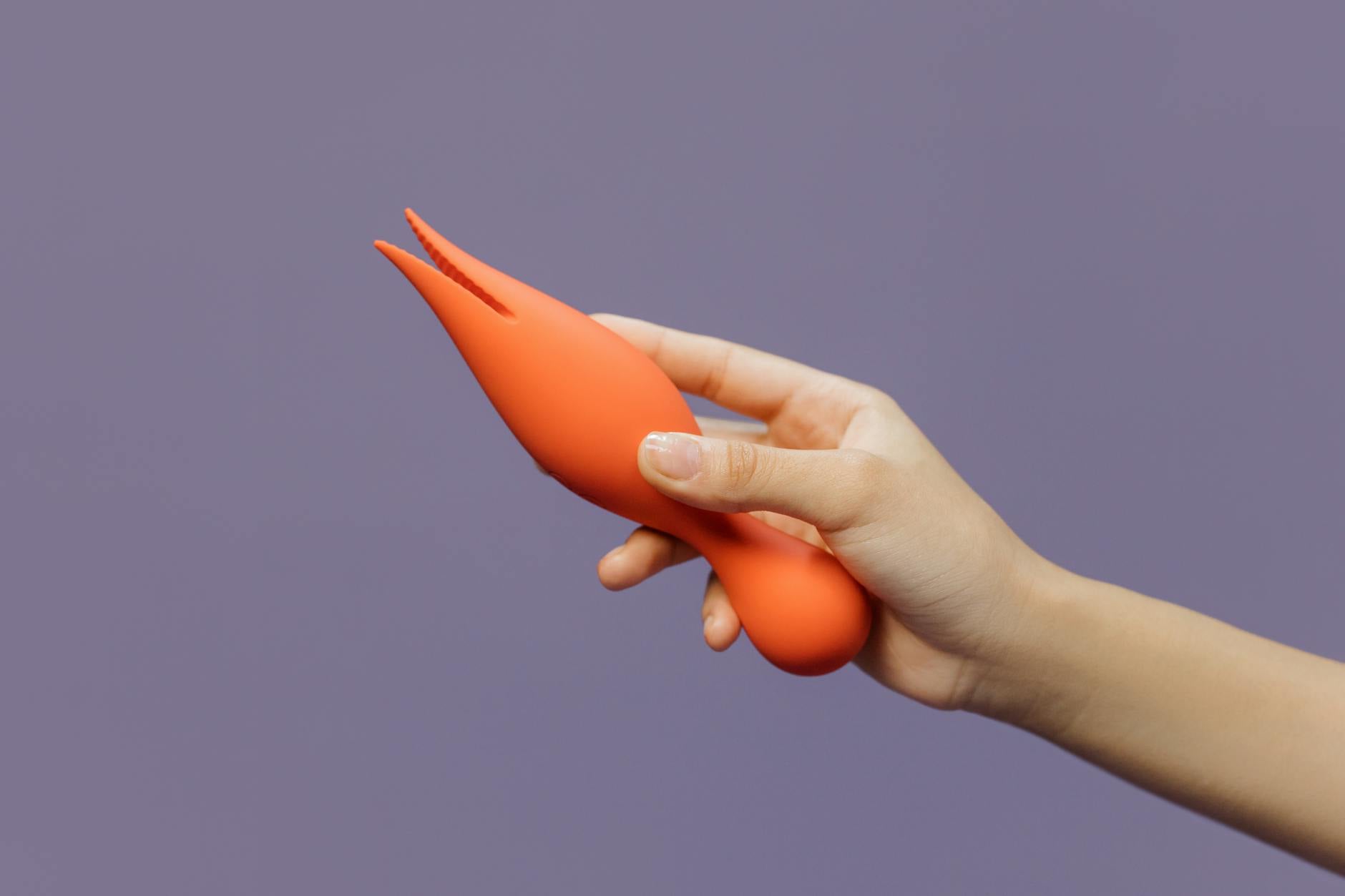
Let's be honest: surgery is a body reset. Whether it's abdominal, pelvic, gynecological, or something that didn't touch your genitals directly but left you anesthetized and stitched up, your nervous system is essentially rebooting. Your clitoris and the surrounding tissue didn't get operated on, but they're still affected. Sensation changes. Arousal timeline stretches. What felt instant before now takes longer to build.
The good news is that this is temporary, predictable, and manageable. The confusing part is that nobody talks about it, so you're left wondering if something's wrong with you or if your favorite lemon vibrator has suddenly stopped working.
Neither is true. Your body is just in a different state, and you need a different approach.
When you have surgery, anesthesia suppresses your central nervous system for hours. Your body spends the next few days, sometimes weeks, rebuilding the neural pathways that fire during arousal. This isn't just about the surgical site. It's systemic.
Think of it like this: pleasure is a cascade of signals between your brain, your spinal cord, and your genitals. Surgery puts all of that on pause. The tissues themselves may heal in two to four weeks, but the neural communication can take longer. You'll have moments where sensation feels muted or delayed. Your clitoris might feel less responsive to stimulation. The pathway from mental arousal to physical arousal gets slower.
This is completely normal and doesn't mean anything is broken.
For most people, here's the realistic progression.
Weeks one and two post-surgery are not the time for any genital stimulation. Your body needs to focus on basic healing. Even if you feel "fine," your nervous system is still recovering.
Week three onwards, if your surgeon cleared you for sexual activity, you can start exploring again, but with patience. Many people find that sensation feels distant. You might be able to orgasm, but it takes longer to get there. The intensity might feel muted.
Weeks four through eight is where most people start noticing improvement. Sensation gradually returns. Arousal builds more naturally. If you're using a lemon clitoral vibrator during this window, you might need lower settings than you used before.
After eight weeks, most surgical patients report that pleasure is back to baseline, though individual recovery varies wildly. Some people bounce back in four weeks. Others need twelve.
Three reasons your favorite clitoral vibrator might feel off during recovery.
1. Nerve inflammation. Surgery creates swelling in surrounding tissue, even if the surgical site isn't near your genitals. That inflammation mutes sensation. It's like trying to feel details through a thick blanket.
2. Medication effects. Pain medication, antibiotics, and anesthesia residue all dampen sensation. Keep taking what your doctor prescribed, but understand that your nervous system isn't at baseline yet.
3. Psychological protection. Your body has been through trauma, even if it's healing well. Your brain might be cautiously throttling arousal signals as a protective mechanism. This is not weakness. It's actually smart biology.
If you're cleared for intimacy and want to start using a lemon vibrator again, lower and slower is the only answer.
Start on setting one or two. You might feel tempted to crank it because you're used to higher intensities, but don't. Lower settings give your recovering nervous system time to register sensation. You're not numb. You're just delayed.
Budget more time. What used to take ten minutes might take twenty or thirty. That's not abnormal during recovery. Rushing it only frustrates you and makes your body tighten up defensively.
Use plenty of lubricant. Reduced sensation often comes with reduced lubrication, especially if surgery affected hormonal pathways. Even if you don't think you need it, use it anyway. It reduces friction and makes stimulation feel more comfortable.
Stop if anything feels sharp, burning, or truly painful. Dull, mild discomfort as tissues stretch back into function is normal. Actual pain is not. If you hit genuine pain, wait another week and try again.
Most post-surgical intimacy questions are normal and don't require a doctor's call. But a few situations do.
If you have sharp pain during or after stimulation, tell your surgeon. This could indicate that something in the healing process has gotten caught or inflamed.
If sensation hasn't started returning by week ten, check in. Most people see improvement by then. If you're still completely numb, that's worth investigating.
If arousal feels impossible and you're six weeks out, it might be worth asking whether your specific surgery could have affected nerve pathways. Some procedures do. Your surgeon can tell you if that's relevant to your case.
If you were prescribed medications that specifically list sexual dysfunction as a side effect, ask your doctor if adjusting timing or dose is possible. Sometimes switching when you take it relative to intimacy helps.
Here's what nobody tells you about post-surgical intimacy: the mind part is often harder than the body part.
Your body has just survived something uncomfortable. Even if the surgery was routine and you know intellectually that you're fine, your nervous system learned that your body is fragile. That creates protective guardedness around pleasure. Your brain might not want to surrender into arousal right now.
This is not the same as losing desire. It's caution. And it's worth honoring.
If you have a partner, the conversation matters. "I want to rebuild intimacy with you" is a completely different conversation than "my body feels broken right now." One is about connection. One is about reassurance. Trying to have both at once usually tanks both.
Give yourself permission to take time. Pleasure is not a race back to baseline. You're allowed to feel vulnerable and still want to reconnect physically. Those two things aren't contradictory.
When you're ready to start using a lemon vibrator again, you're choosing a tool that's actually ideal for recovery. Lemon clitoral vibrators use air-suction technology, which means you're not relying on the same kind of direct friction that traditional wand vibrators require. That gentler approach is genuinely helpful when your tissues are still sensitizing.
Start low. Be patient. Listen to what your body tells you, not what it used to do. Recovery isn't about rushing back to your old baseline. It's about building a new normal that respects where you are right now.
Most surgeons clear patients for sexual activity at four to six weeks, assuming the surgery itself didn't involve your reproductive organs. If it did, the timeline can be longer. Always get specific clearance from your surgical team before using any vibrator post-surgery. Even cleared activity should start slowly and gently.
Yes, for the vast majority of people. Nerve recovery takes time, but it happens. By three to four months post-surgery, most people report that sensation is back to baseline or very close. Some find that sensitivity actually improves once swelling fully resolves. If you're beyond six months and sensation hasn't returned, that's worth discussing with your doctor.
In rare cases, if surgery directly involved nerves, there can be lasting changes in sensation. But this is uncommon, and if it happens, your surgeon should have mentioned it before the procedure. For most people, post-surgical changes are temporary and resolve as healing completes.
Completely normal. Your body has been through a stressor. Your nervous system is recalibrating. Loss of interest in sex during recovery is not a sign that something is permanently wrong with your desire. It's a sign that your body is prioritizing healing. Desire usually returns as recovery progresses.
That depends on your relationship. If you're partnered and used to sharing intimacy, transparency usually helps. You might frame it as "I want to rebuild sensation and reconnect with my body, and I think starting alone will help me know what I need before we reconnect together." Honesty prevents assumptions and resentment.
That's a separate conversation from post-surgical recovery. Consider <a href="/blog/how-to-introduce-lemon-vibrators-to-your-relationship-without-awkward-tension">how to introduce lemon vibrators to your relationship without awkward tension</a>. If the discomfort is specific to recovery, reframe it: you're not replacing them, you're rebuilding function. Many partners actually feel relieved when they understand the medical timeline and can support their person through it without pressure.
Surgery changes your body temporarily. Your lemon vibrator didn't break. Your pleasure capacity didn't disappear. You're just in a different neurological state, and that requires a different approach for a few weeks or months.
Start low, go slow, be patient with yourself, and honor the fact that your body just survived something. Recovery is not linear, and that's okay. Most people are back to full pleasure within two to four months. Until then, gentleness is not weakness. It's exactly what your recovering nervous system needs.
If you have questions about your specific recovery, reach out to your surgeon or consider talking with a therapist who specializes in post-surgical intimacy. You deserve support through this transition. Your pleasure matters, and so does your healing.