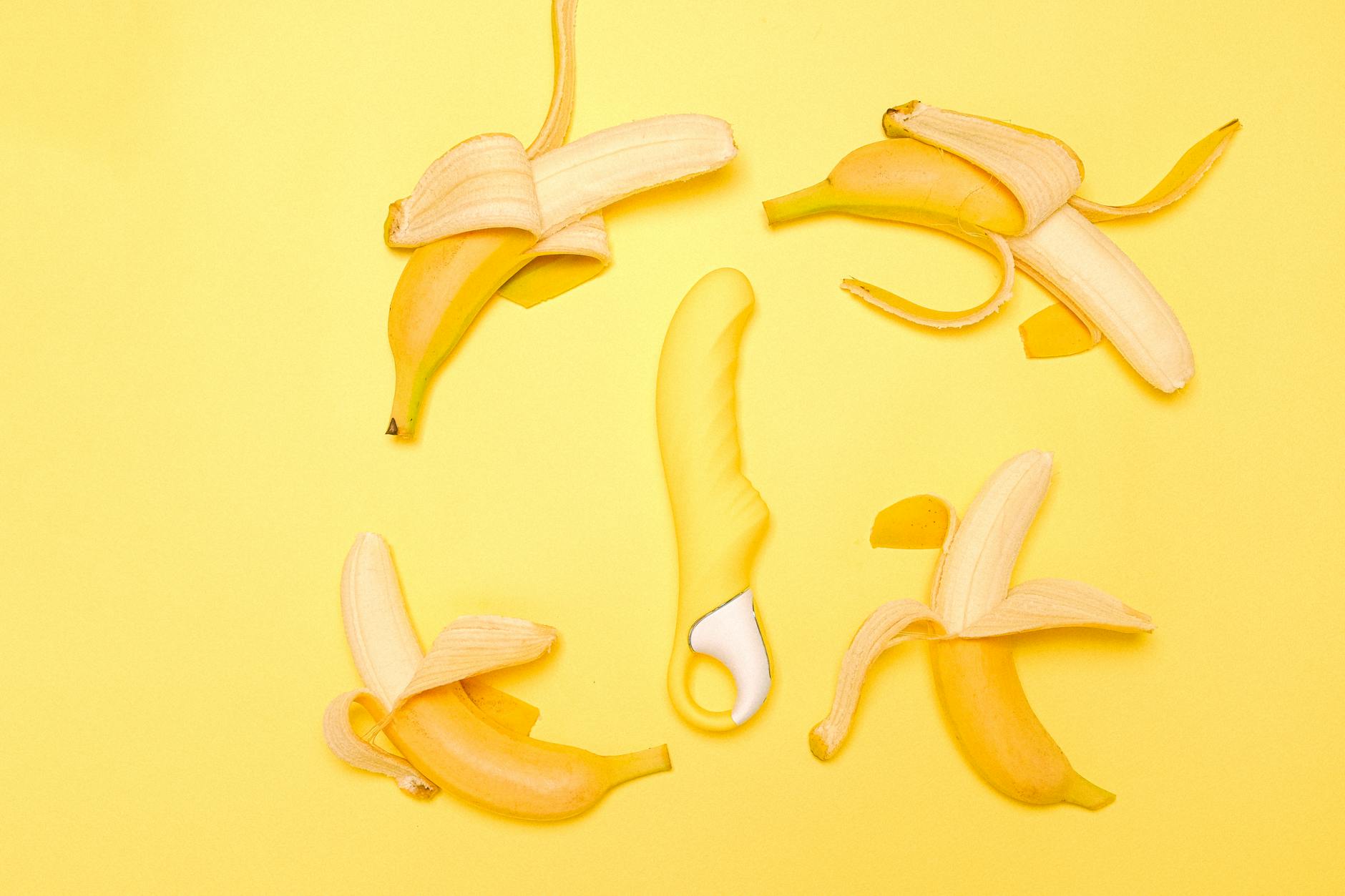
Why Lemon Vibrators Feel Different After Menopause
Hormonal shifts change tissue response, arousal speed, and sensation intensity. Here's what actually changes, what stays sharp, and how to adapt your pleasure.
Your clitoral sensitivity doesn't disappear after menopause. It transforms. The way a lemon vibrator feels at 45 or 55 is genuinely different from how it felt at 35, but different doesn't mean worse. It means your body has shifted, and the tools that worked before might need recalibration.
I've worked with hundreds of people navigating this transition, and the pattern is always the same: confusion, frustration, then often relief once they understand the actual physiology. Let's cut through the shame and get practical.
Estrogen is the major player here. It keeps vaginal and vulvular tissue thick, elastic, and well-lubricated. When estrogen levels fall during perimenopause and menopause, that tissue thins. It's not broken. It's just operating under different conditions.
That thinning changes three things. First, arousal takes longer to build because blood flow to the clitoris moves more slowly. Second, direct friction can feel sharper or even uncomfortable on thinner tissue. Third, orgasms often feel more localized instead of full-body, because the pelvic floor receives less estrogen support and contracts with less force.
But here's the important part: the nerve density in your clitoris doesn't change. The neural pathways for pleasure stay intact. You're not losing capacity. You're working with different tissue conditions.
Lemon vibrators use suction and gentle pulsing instead of direct percussion. This matters after menopause because suction stimulates the clitoral nerves without requiring the friction that can irritate thinner tissue. You're still getting full stimulation. The sensation just arrives differently.
Many of my clients report that the Lem vibrator actually feels more comfortable post-menopause than traditional wand vibrators. The suction pattern creates arousal without grinding, and the pulsing intensity can be started low and built gradually. That adaptability is huge when your arousal timeline has shifted.
Forget the 5-minute warm-up. After menopause, budget 15 to 25 minutes before using a lemon vibrator. This isn't a problem. It's information. Many people find this extended window actually deepens pleasure because there's less rushing, less performance anxiety, and more time for genuine desire to build.
During this warm-up phase, use a water-based lubricant generously. Thinner tissue benefits from extra glide, and lubrication increases blood flow to the area. Start on lower intensity settings on your lemon sexual toy. Pattern 1 or 2 on a Lem, rather than jumping to pattern 3 or 4. Your tissue will respond faster once arousal has properly begun.
Your capacity for orgasm is still there. The clitoral nerve endings haven't gone anywhere. Your brain's pleasure pathways are intact. Many people report that their most intense orgasms of their entire lives happen post-menopause, and this isn't a polite lie. It's a measurable clinical pattern.
What's often happening: freedom. Post-menopausal bodies often shed the cognitive load of contraception concerns, fertility anxiety, and hormonal cycling. That mental space alone changes everything. Add in permission to slow down, to focus on your own pleasure instead of performing, and you've created conditions for genuinely different sensation.
Your desire might feel quieter, though. Lower testosterone post-menopause means spontaneous desire often decreases. But responsive desire, which is triggered by touch and closeness, usually stays strong or even deepens. This is why extended foreplay and patience matter more than speed.
Four concrete shifts. First, add water-based lube every time. Not because something's wrong with you. Because thinner tissue benefits from it, and the sensation is richer with proper glide. Second, start lower and slower. Your lemon clitoral vibrator's lower patterns aren't a compromise. They're often exactly the right intensity for post-menopausal tissue.
Third, focus on the journey rather than the endpoint. Extended stimulation at moderate intensity often produces deeper orgasms than quick high-intensity sessions. The Lem vibrator is particularly good at this because the suction creates sustained sensation without fatigue.
Fourth, pay attention to pelvic floor tension. Estrogen drop often increases baseline pelvic floor tightness. Tight pelvic floor muscles can actually reduce orgasmic intensity. Spend time relaxing the pelvic floor deliberately before using your lemon vibrator. Breathe deeply. Let the muscles soften. This single change transforms the experience for many people.
If arousal has completely flatlined and isn't responding to any of these adjustments after 4 to 6 weeks, testosterone therapy is worth exploring. Post-menopausal testosterone drops significantly, and for some people, supplemental testosterone genuinely restores responsive desire. It's prescribed conservatively in some regions, but it exists and it works.
If penetration or direct clitoral touch now causes pain, genitourinary syndrome of menopause (GSM) might be the culprit. This is highly treatable with topical estrogen creams that have minimal systemic absorption. A menopause-informed gynecologist can usually resolve this in weeks.
Some medications, particularly certain antidepressants and blood pressure meds, can dull sensation post-menopause. If you've recently switched medications and notice a shift, that's worth discussing with your prescriber. Often there are alternatives that don't affect sensitivity.
Here's something often overlooked: menopause arrives alongside other life transitions. Empty nest. Career shifts. Relationship reassessment. Grief. The temptation is to blame everything on hormones, but sometimes the sensation shift is actually about emotional disconnection.
If you're using a lemon vibrator and the pleasure feels muted, ask yourself whether it's hormonal numbness or emotional numbness. Both are real. But they need different solutions. Hormonal stuff responds to lubrication, technique adjustment, and sometimes medication. Emotional disconnection might need conversation with your partner, therapy, or a period of solo exploration to reconnect with your own desire.
Menopause isn't a deadline. The data says post-menopausal orgasms are often longer, more intense, and more satisfying than pre-menopausal ones. This happens when people stop fighting the changes and instead learn to work with them. A lemon clitoral vibrator, used with patience and attention, often becomes an even more valuable tool in this phase of life than it was before.
Your body knows what it's doing. It's just asking for different conditions. Give it time, lubrication, lower starting intensity, and permission to slow down. Everything else follows.
Arousals takes longer to build when estrogen drops, so your clitoris may feel less responsive in the first few minutes of use. This isn't permanent numbness. It's arousal lag. Give yourself 15 to 25 minutes of warm-up, use generous water-based lubricant, and start at lower intensity levels. Most people find that once arousal builds, sensation becomes sharp and satisfying. Some also report that lower-intensity, longer-duration stimulation actually produces deeper orgasms than the quick high-intensity approach that worked before.
Absolutely. Water-based lubricant is essential, but it's a simple addition that makes all the difference. Apply it to your vulva and the vibrator before use, and reapply during a session if needed. Silicone-based lubes feel richer but can damage silicone toys, so stick with water-based. If dryness is severe enough to cause pain, talk to a gynecologist about topical estrogen creams, which are highly effective and have minimal systemic absorption. But mild dryness shouldn't stop you from using your Hello Nancy tools. It just needs lubrication support.
Yes, often positively. Hormone replacement therapy (particularly estrogen therapy) can restore tissue thickness and improve lubrication. Some people find that their sensitivity and arousal speed improve noticeably once HRT is stabilized. But HRT isn't necessary to enjoy pleasure. Plenty of people find their most satisfying post-menopausal experiences without it, using adjusted technique and tools like the Lem vibrator instead. If you're considering HRT for other menopausal symptoms, the pleasure improvement is often a welcome bonus.
Pelvic floor muscles receive less estrogen support post-menopause, so they contract with less force. This often means orgasms feel more concentrated in the clitoris rather than radiating through the whole pelvis. They might feel shorter or less explosive. But many people report that they feel deeper and more intense, not weaker. The shift is real, but it's not a loss. It's a different quality. Pelvic floor strengthening exercises can help restore some of the radiating sensation if you miss it.
Most people don't need to. If anything, the Lem's suction design becomes more valuable because it doesn't require the direct friction that can irritate thinner tissue. What changes is how you use it: longer warm-up, lower starting intensity, more lubrication, and often longer sessions at moderate intensity instead of quick high-intensity bursts. The tool stays the same. Your approach evolves. If you do want to experiment, explore lemon adult toys with adjustable intensity and gentler patterns. But many people find their sensitivity actually deepens their connection to the tools they already love.
Completely normal and incredibly common. Arousal lags when estrogen drops, and pelvic floor responsiveness changes. But this isn't permanent dysfunction. It's a shift that responds well to adjusted technique. Extended foreplay, consistent lower-intensity stimulation over 20 to 40 minutes, and mental focus actually help many people achieve orgasms that feel more satisfying than pre-menopausal ones. Patience isn't a workaround. It's often the secret to better pleasure.
Menopause changes your body. It doesn't end your pleasure. When you understand what's actually shifting physiologically, you can stop fighting the changes and start working with them. That's when lemon vibrators, and your own capacity for sensation, often becomes even more valuable than it was before.
If you're navigating this transition and want personalized guidance, reach out. Your pleasure matters at every stage of life.