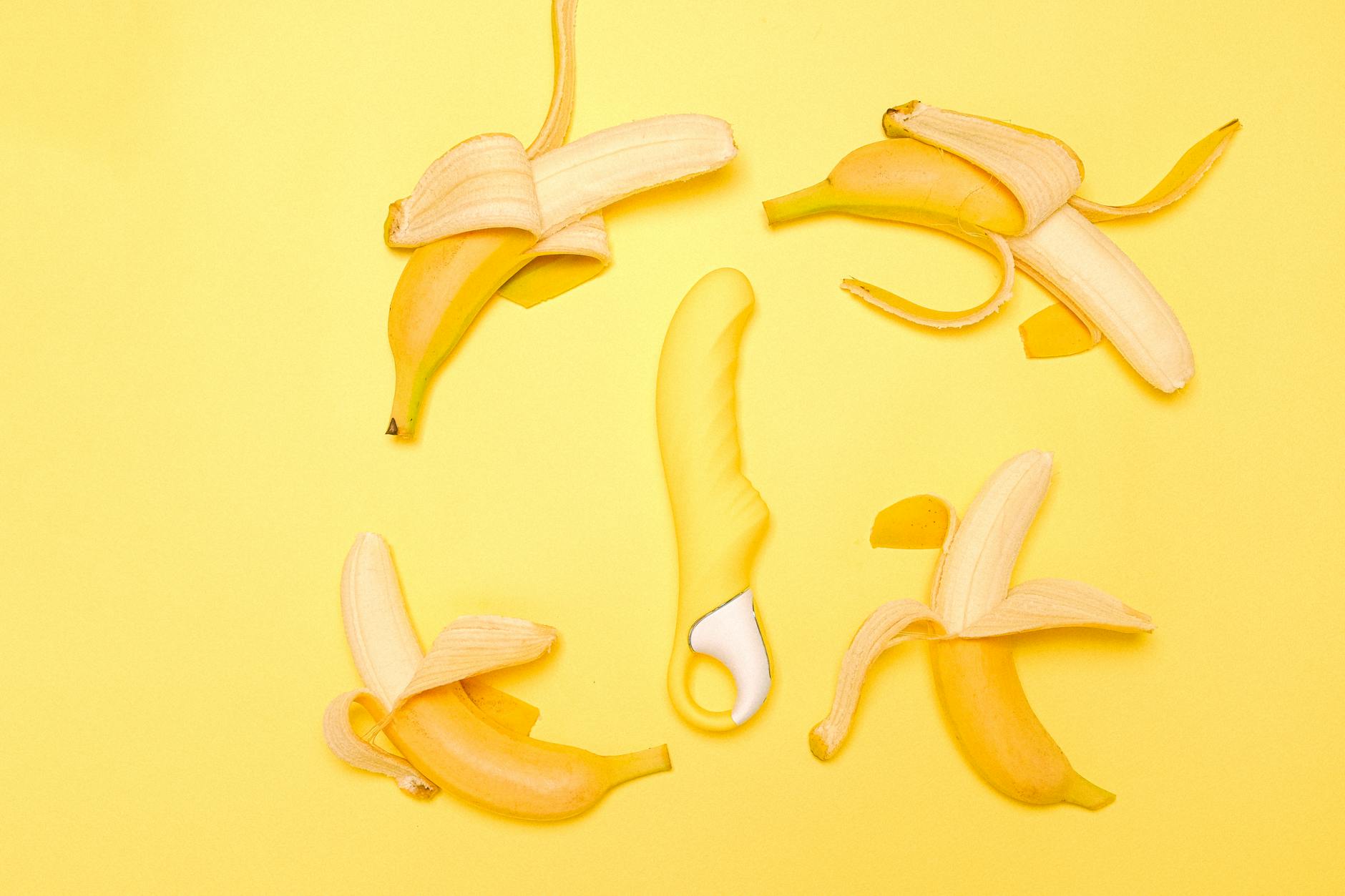
Why Lemon Vibrators Feel Different After Divorce or Breakup
Heartbreak rewires your nervous system. Here's how lemon vibrators help you reconnect with your body, rebuild solo pleasure, and why that matters more than you think.
After a breakup or divorce, your body doesn't just miss a person. It misses a script. For months or years, pleasure came wrapped in familiarity, habit, and someone else's touch. Solo play, if it happened at all, lived in the margins. Now suddenly you're alone with your own nervous system, which is running an outdated program.
Here's the thing: rediscovering pleasure after heartbreak is less about jumping back into sex and more about rebuilding the most important relationship you have. The one with yourself.
Lemon vibrators, particularly suction-style devices like the lemon clitoral vibrator, offer something specific post-breakup that other toys don't. They're not simulating a partner's touch. They're introducing you to sensation on your own terms, without the ghost of comparison or the muscle memory of what used to feel good.
Your body was trained by someone else for months or years. Pleasure became conditioned to a specific voice, smell, rhythm, or pressure. When that person disappears, your nervous system doesn't just notice the absence. It questions whether pleasure was ever really yours to begin with.
This is not psychological drama. It's neurobiology. The vagus nerve, which runs pleasure signals through your body, gets recalibrated during long-term partnered sex. After breakup or divorce, that pathway stays active but confused. You might feel numb where you used to feel alive. Or you might feel hypersensitive, as if your body is overcompensating.
Some people describe post-breakup solo play as feeling performative at first, like they're watching themselves instead of experiencing themselves. Others say touch from a partner's hand, even their own hand, triggers an uncomfortable comparison. That's your nervous system protecting you from what it interprets as danger: intimacy with the "wrong" person (yourself, right now).
A lemon vibrator works differently because it's not mimicking human touch. Suction-based stimulation using air-pulse technology creates a sensation that has no partner-memory attached to it. You're not reaching for a familiar rhythm. You're discovering something genuinely new.
There are three reasons lemon vibrators specifically support reconnection after heartbreak.
First: they're not a stand-in. Traditional vibrators can feel like a substitute for a partner's hand, which can make solo play feel sadder rather than empowering. Lemon sucker technology doesn't mimic anything. It's its own thing, which means your brain doesn't run the comparison software. You're not thinking about what someone else used to do. You're just experiencing sensation.
Second: they teach you novelty. Pleasure after heartbreak often gets stuck in old patterns because repetition feels safe. A lemon clitoral vibrator introduces genuinely different stimulation. The first time you use one, you don't have a reference point. That's powerful. Novelty itself is healing because it interrupts the neural loop that's stuck on your ex.
Third: they give you control. In most relationships, pleasure involves negotiation and compromise. Post-breakup solo play is the first time in months where you get to decide the pace, pressure, pattern, and when it stops. Not because you're avoiding vulnerability, but because you're practicing your own boundaries. That's how nervous systems re-regulate.
The lemon vibrator becomes a physical anchor that says: this pleasure is entirely yours.
Weeks 1-2 after breakup: numbness is normal. Your body might not respond at all, or it might respond with guilt (which is your nervous system saying "this is unfamiliar and slightly dangerous"). Don't force it.
Weeks 3-6: sensation usually comes back, but it's often accompanied by waves of sadness or anger. You might start a solo session and burst into tears. This is healing, not a sign you should stop. Your nervous system is releasing what it's been holding.
Weeks 6-12: this is when many people find that a lemon vibrator makes sense. You're past the acute grief phase. Your body is ready for novelty. The new sensation helps interrupt the loop of comparison or numbness.
3-6 months: pleasure becomes reliably yours again. Not the same as before (it won't be), but genuinely satisfying in a way that doesn't reference the old relationship.
This timeline isn't universal. Some people reconnect with pleasure faster. Others take longer, especially if the relationship was long or the ending was traumatic. The point is: there's no rush. And there's no "correct" way to feel.
Start when you feel ready, not when you think you should. If the sight of your toy drawer triggers memories, put solo play items in a separate, fresh space. New drawer, new box, new context.
Give yourself permission to stop mid-session. Post-breakup bodies sometimes hit an emotional wall halfway through pleasure. That's not failure. That's your nervous system communicating something. Listen to it.
Don't aim for orgasm. This is crucial. The goal isn't a destination. It's reconnection with sensation. Many people find that pleasure becomes deeper and more satisfying when they stop treating it like an achievement to unlock.
Use lubricant, even if you don't think you need it. A water-based lube adds a layer of comfort and self-care that feels grounding. It's a small way of saying: I'm taking care of this body. That message matters post-breakup.
Try a lemon vibrator on low settings first. Let your body explore the sensation without overwhelming it. You can always build intensity.
Intimates partners often wonder when they should start dating again or whether it's too soon to have sex with someone new. But the real bottleneck isn't time elapsed. It's whether you've reestablished your relationship with your own pleasure.
Why? Because if you haven't, you'll be tempted to let the next person write the script again. You'll reach for familiarity instead of building something new. And you'll be vulnerable to repeating the same patterns.
When you know what your lemon vibrator does to you, when you've spent time with that sensation, something shifts. You develop a baseline for what feels good on your terms. That baseline becomes the standard for any future partner too. They don't get to overwrite it. They get to build on it.
This is why solo pleasure after breakup isn't selfish or a consolation prize. It's the foundation of future intimacy, with anyone, that's actually healthy.
If numbness persists for more than 3-4 months, talk to a therapist. Anhedonia (inability to feel pleasure) is real after trauma, and it deserves support beyond solo play.
If pleasure triggers panic or severe dissociation, slow down. That's your nervous system asking for professional help to process what happened.
If you're using solo play to avoid processing the breakup or to numb grief rather than move through it, check in with yourself. Pleasure should feel good, not like escape.
There's nothing wrong with using a lemon vibrator to support your healing. Just make sure it's one part of a bigger picture that includes sleep, movement, time with friends, and maybe therapy. Pleasure matters. But so does everything else.
Is it normal to feel sad during solo play after a breakup?
Completely normal. Your body is grieving the loss of a partner while simultaneously trying to feel good. These two things live in the same moment. Sadness doesn't mean you're doing it wrong. It means you're processing. Let the feelings move through you.
How soon after a breakup should I start using a vibrator again?
When it feels right, not when you think it should. Some people feel ready after two weeks. Others need two months. There's no universal timeline. If you're forcing it because you feel like you "should," that's a sign to wait.
Does using a lemon vibrator mean I'm not ready to date again?
Nope. The opposite, actually. Knowing your own pleasure is the foundation for healthy partnered sex. If anything, solo exploration makes you more ready for dating because you know what you want and what feels good. That clarity is attractive and powerful.
Will a lemon clitoral vibrator feel different than what my ex did?
Yes, entirely. That's the point. A lemon vibrator isn't trying to replicate human touch. It creates a unique sensation that has no comparison. Many people find that this newness is exactly what helps interrupt the loop of comparison and grief.
What if I feel guilty using a vibrator after my breakup?
Gilt usually shows up because we've internalized the message that pleasure is something we get from a partner, not something we create. That's a story worth questioning. Your pleasure is yours. Always was, always will be. A lemon vibrator is a tool that reminds you of that.
Can solo play speed up my healing from the breakup?
It can support healing by helping your nervous system re-regulate and by rebuilding your relationship with your body. But it's not a replacement for time, therapy, or processing the actual grief. Use it as part of your toolkit, not as a shortcut.
Breakups rewire your nervous system, but they don't break it permanently. Your capacity for pleasure is still there, waiting. Sometimes it just needs a gentle, novel introduction back to yourself.
A lemon clitoral vibrator can be that introduction. Not because it's magic, but because it's honest. It doesn't pretend to be someone else's touch. It offers you sensation on entirely your own terms.
That's how you rebuild. One sensation at a time, one choice at a time, one moment of reclaiming your own body at a time.
If you're navigating this transition and want support thinking through how to move forward in other areas of your life post-breakup, reach out. Reconnecting with yourself is the foundation for everything else.