Why Lemon Clitoral Vibrators Work Better for Sensitive Skin
Let's be real. If you've ever tried a vibrator and felt irritation, rawness, or that uncomfortable burning sensation afterwards, you weren't broken. You probably just had the wrong tool.
Wellness
Friction irritates. Suction soothes. Here's what makes air-suction design different, why it matters for sensitive tissue, and how to transition comfortably.
Let's be real. If you've ever tried a vibrator and felt irritation, rawness, or that uncomfortable burning sensation afterwards, you weren't broken. You probably just had the wrong tool.
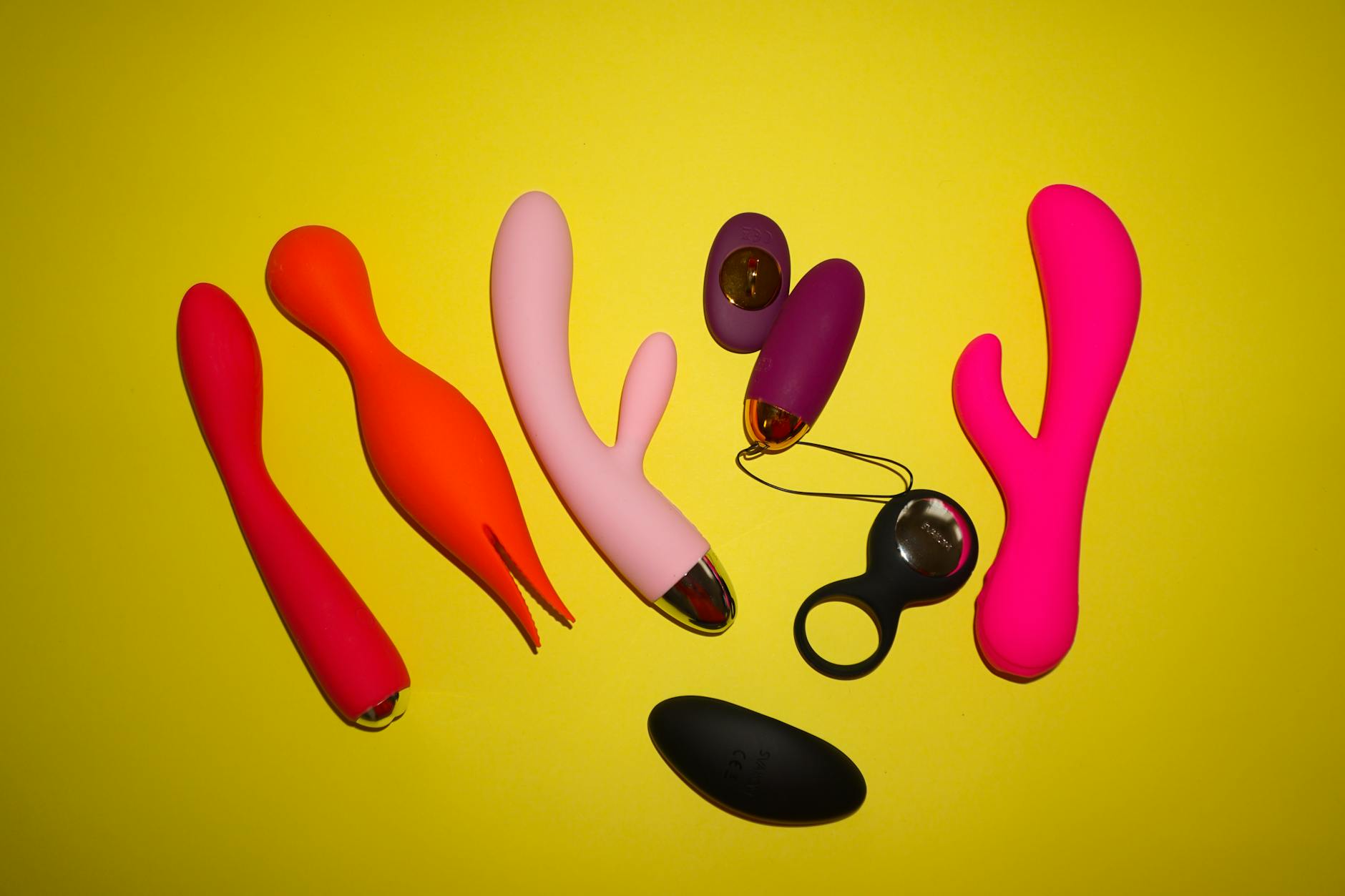
Most vibrators rely on direct friction. Your standard bullet vibrator, wand, or rabbit buzzes against skin with mechanical force. For people with sensitive tissue, reactive vulvas, or anyone recovering from irritation, that's a setup for discomfort. Lemon clitoral vibrators using air-suction technology work differently. They don't rub. They pulse. That distinction changes everything.
Your clitoris has roughly 8,000 nerve endings packed into a space about the size of a pea. It's exquisitely sensitive by design. When a traditional vibrator buzzes against delicate tissue, it creates micro-abrasions. Think of it like rubbing your skin with sandpaper. Even fine sandpaper, applied for 10 minutes, eventually causes irritation.
This gets worse if you have:
Even without a diagnosed condition, some people simply have more reactive skin. The pH of your vulva, your natural lubrication consistency, the way your immune system responds to minor trauma. None of it is abnormal. It just means friction-heavy toys aren't your match.
Air-suction vibrators, including lemon vibrators like the Lem, work on a completely different principle. Instead of buzzwords directly against tissue, they create a gentle vacuum seal around the clitoris. The suction pulses in rhythmic waves, stimulating nerves without direct friction.
Here's the mechanical difference:
Friction-based (bullet, wand, rabbit): Vibration frequency 50-10,000 Hz. Direct pressure. Tissue movement. Micro-abrasions accumulate.
Air-suction (Lem lemon vibrator): Gentle pulse and release. Stimulation through suction, not grinding. Tissue stays relatively stationary. Zero friction in the traditional sense.
The sensation feels completely different. Users often describe air-suction as "gentler but somehow more intense." That's because suction stimulates different nerve pathways than friction does. You're not overwhelming the tissue with mechanical force. You're creating a focused stimulus that the nervous system reads as highly targeted pleasure.
Sensitive skin isn't weak skin. It's skin with a more reactive immune response. When you introduce friction, your immune system flags it as minor damage. Histamines release. Blood vessels dilate. You feel irritation, burning, or that raw feeling afterwards.
Suction, by contrast, doesn't trigger the same damage-response cascade. The tissue isn't being abraded. The sensation is pleasurable, not irritating. Your skin stays calm.
I work with clients who've given up on vibrators entirely because every experience ended in discomfort. They switch to a lemon clitoral vibrator, and suddenly they're not managing irritation. They're just having pleasure. The difference in their confidence is remarkable.
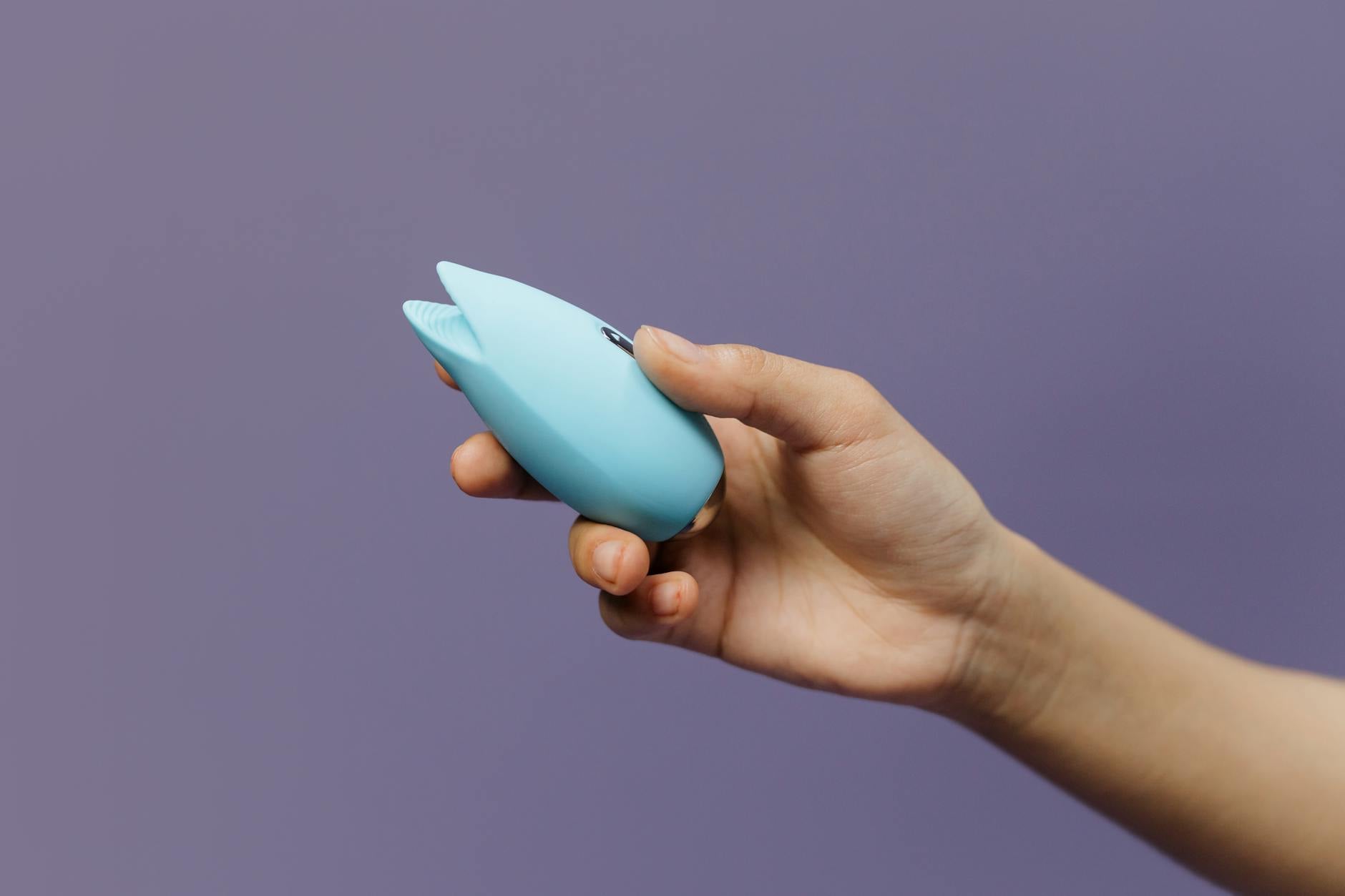
Photo by cottonbro studio on Pexels
If vibrators have left you irritated in the past, your nervous system might be a little defensive. Here's how to rebuild comfort:
Start with the lowest setting. Lem vibrators have multiple intensity levels. Spend 2-3 sessions on pattern 1. Let your tissue (and your brain) learn that this stimulation doesn't mean pain is coming. This is not rushing. This is smart.
Keep sessions short. Fifteen minutes maximum when you're starting. Your tissue doesn't need prolonged stimulation to respond. Shorter sessions mean less cumulative stress and faster recovery.
Use water-based lubricant. Even though air-suction creates its own seal, a tiny bit of lube around the opening helps the device sit comfortably and reduces any tugging sensation. Water-based only. Silicone lubes can damage silicone toys.
Watch for patterns. Does irritation show up after specific patterns? After longer sessions? After back-to-back days of use? Keep a mental note. Your tissue will tell you what pace works. Listen.
Give rest days. If you masturbate daily, consider alternating. One day with the lemon vibrator, one day without, or switch to non-vibrator touch. Your vulva can handle plenty of stimulation, but rest helps tissue recover and stay resilient.
Not all air-suction vibrators are created equal. The Lem was designed with sensitive skin specifically in mind. The silicone is medical-grade and non-porous. The seal is gentle but effective. The pulse patterns are engineered to avoid the aggressive throbbing that some users find irritating.
When you're shopping for lemon sexual toys or any clitoral vibrator, material matters. Look for:
Cheap materials, rough manufacturing, and high-pressure suction designs aren't worth the money you save. Your skin is too valuable.
If you experience persistent irritation, burning, pain during or after masturbation, or unusual discharge, don't assume the toy is the problem. Get checked by a gynecologist. You could have a vaginal infection, contact dermatitis, or a skin condition that needs treatment.
Once you're cleared medically, the right toy (like a lemon clitoral vibrator) combined with good technique will feel worlds different. But medical stuff first.
One of the hardest parts of having reactive skin is the mental piece. You start to avoid pleasure because you've learned it means discomfort. That's a painful loop to be in. Switching to a lemon vibrator or other air-suction device isn't just a physical upgrade. It's permission to reclaim an experience that should feel good.
Start low. Go slow. Notice what feels right. Your pleasure matters, and you deserve tools that support it, not fight it.
Maybe. Vulvodynia is a complex condition, and every person's triggers are different. Some vulvodynia sufferers find that air-suction vibrators are gentler than friction-based toys. Others find that any stimulation flares symptoms. Start with your doctor. If they give the green light, begin with the lowest setting, short sessions, and lots of patience. Many of my clients with vulvodynia have had success, but it requires careful attention to your body's signals.
Lemon vibrators use air-suction technology instead of traditional vibration. Rather than buzzing against tissue, they create a gentle pulse that mimics oral suction. This reduces friction, which makes them easier on sensitive skin. They also tend to stimulate nerves differently, which many users find more intense and satisfying despite the gentler approach.
Not technically. The device creates its own seal. But many people prefer adding a small amount of water-based lubricant around the opening for comfort, especially when starting. It also helps the device glide into position without tugging. Avoid silicone-based lubes, which can degrade silicone toys over time.
If you've been using friction-based vibrators and experiencing irritation, your tissue usually recovers in 24-48 hours of rest. If you switch to a lemon clitoral vibrator and use it gently, you'll likely notice reduced irritation immediately. Full confidence and comfortable sensation often return over 2-4 weeks as your nervous system learns that this tool doesn't mean discomfort.
No. Many users find them more intense because suction stimulates nerve pathways that traditional vibration doesn't engage. The intensity feels different, not diminished. It's more focused and sustained, rather than broad-spectrum buzzing. Intensity is subjective, but most people report satisfaction levels equal to or higher than friction-based toys.
You might need to go even slower. Use the lowest setting for the first week. Cap sessions at 10 minutes. Use lubricant. Take multiple rest days. If irritation persists after two weeks of gentle use, see your gynecologist. You could have an underlying condition that needs attention separate from toy choice.
Your body knows what it needs. If friction-based vibrators have left you irritated, that's not a sign you should avoid pleasure. It's a sign the tool was wrong. Lemon clitoral vibrators and other air-suction designs exist for exactly this reason. Give yourself permission to try something different. Your skin will thank you.