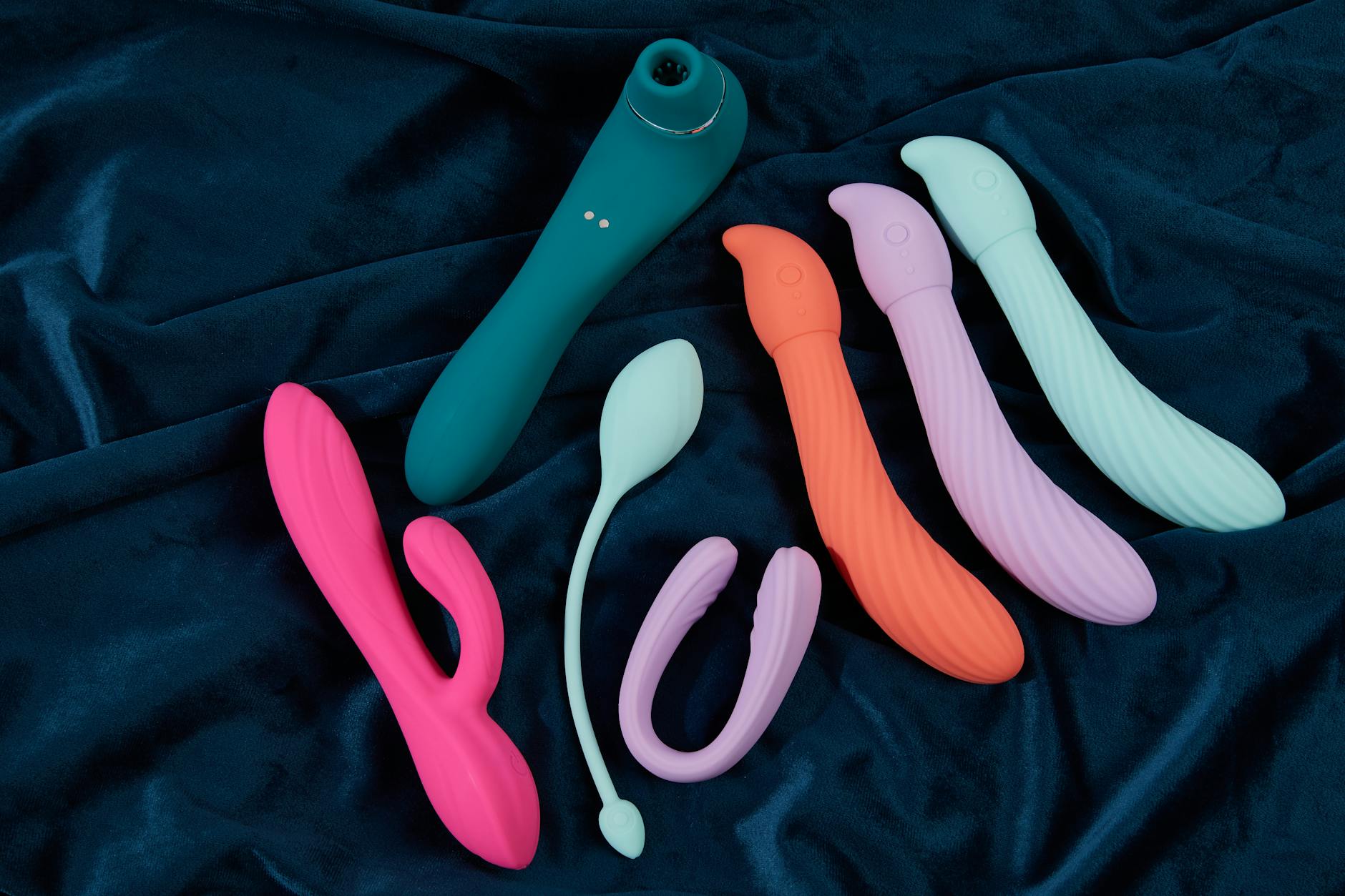
Why Lemon Clitoral Vibrators Feel Different for People With Vaginismus
Vaginismus isn't about not wanting pleasure. It's about your nervous system being stuck in guard mode. Here's why lemon vibrators can actually help you reclaim sensation safely.
Vaginismus is your pelvic floor saying no before your brain even gets a chance to decide. It's an involuntary muscle tightening that makes penetration painful or impossible. But here's what most people miss: vaginismus doesn't mean you can't feel pleasure. It means your nervous system has learned to treat entry as a threat.
When your pelvic floor is in a chronic state of tension, two things happen. First, the muscles around the vaginal opening are literally contracted, which can make even gentle pressure feel intense or unsafe. Second, your nervous system is primed for threat. It's anticipating pain before any touch even lands.
Clitoral vibrators like the lemon work external to that guarded zone. They bypass the pelvic floor gatekeeping entirely. This is not a small thing. For people with vaginismus, external clitoral stimulation can feel like the first "safe" sexual sensation you've had in months or years.
The lemon specifically works because suction-based vibrators use air-pulse technology instead of traditional vibration. The sensation is gentler, more diffuse, and less likely to trigger a tension response. You're not pressing into or against tightened muscles. You're drawing sensation toward you in a way that often feels more controllable.
Your pelvic floor muscles have nerve endings. When they're chronically contracted, those nerves are already partially activated. This means normal touch can register as overwhelming because your nervous system is already partially in alarm mode.
Think of it like this. If you're already at a 6 on the tension scale, a moderate vibration feels like an 8 or a 9. With a lemon clitoral vibrator on a lower setting, that same intensity might land at a 5, which is actually pleasurable instead of alarming.
Many people with vaginismus report that their first comfortable orgasm came from clitoral-only stimulation. Not because penetration is off the table forever, but because removing the threat of entry allows the nervous system to actually relax enough to feel good.
Start with the lowest pattern or intensity. The lemon has multiple settings. Begin at pattern 1. Seriously. Your nervous system needs to learn that this sensation is safe, and that takes time.
Use it over your underwear first. Fabric between the toy and your skin reduces intensity and gives your brain an extra layer of "this is controlled." Spend a few sessions here.
Never push toward penetration. Clitoral vibrators are not training devices for penetration. They're pleasure devices. If your body is sending signals that it doesn't want entry right now, listen. The goal isn't to "prepare" for penetration. The goal is to feel good on your body's terms.
Pair it with breath work. As you use the vibrator, focus on exhales. Long, slow exhales signal safety to your nervous system and actually reduce pelvic floor tension. When you notice yourself holding your breath, pause and breathe.
Consistency beats intensity. Using a lemon on a low setting twice a week does more for nervous system retraining than occasional intense sessions.
Vaginismus often carries shame, frustration, and years of failed attempts at sex. Your body learned to guard itself because something hurt or felt wrong. That's your nervous system doing its job. But now it's working overtime.
When you use a clitoral vibrator, you're not just creating physical sensation. You're sending a message to your nervous system: "This is safe. You can relax now. You can feel good."
That message has to be true. If you're using a lemon vibrator while mentally bracing for pain or checking whether penetration is possible yet, your nervous system is still getting the message that entry is the goal. And it will stay on guard.
Instead, the reframe is this: your pleasure is the goal. Full stop. Penetration is something that might happen later, or it might not be part of what you want at all. Both are completely valid.
If vaginismus is severe (penetration is completely impossible, or any attempt causes significant pain), a pelvic floor physical therapist is your best first step. They can assess whether there's muscle tightness that needs manual release work, and they can rule out other physical causes.
A sex therapist or therapist experienced with vaginismus can also help rewire the psychological piece. Using a lemon clitoral vibrator is a great tool in that process, but it's not a substitute for professional support if your vaginismus is significantly impacting your quality of life.
Many people find that combining pelvic floor PT, therapy, and exploring pleasure on their own terms through toys like lemon vibrators creates real, lasting change. Recovery from vaginismus is absolutely possible. It just requires patience with your nervous system.
Let's be real. Using a lemon clitoral vibrator might be the first time in years that your body has felt pleasure without pain. That's not just about sex. That's about reclaiming your body as a source of good sensation instead of just threat and tension.
Many people with vaginismus describe the experience of having an orgasm with a vibrator as genuinely life-changing. Not because it "fixes" anything, but because it proves something to your nervous system: you can feel good. Your body isn't broken. Your body is protecting you. And when it learns that safety is possible, everything shifts.
It might. External clitoral stimulation can help your nervous system practice being aroused without the threat of entry, which over time can reduce the protective tension response. But the goal shouldn't be to use the vibrator as training for penetration. The goal is pleasure for its own sake. Many people find that when they stop trying to fix vaginismus and start focusing on what feels good, the vaginismus naturally becomes less severe. The pressure is off.
It might at first, which is why starting at the lowest intensity and using it over clothing makes sense. But because air-pulse suction vibrators are gentler than traditional vibrators, many people with vaginismus find them more tolerable. You have full control over the intensity, and you can stop anytime. It should never feel like punishment.
Not necessarily. Some people find that the vibrator itself creates arousal. Others like to spend a few minutes thinking about something that turns them on before starting. There's no wrong way. Pay attention to what your body wants in that moment.
Absolutely. Water-based lubricant can actually reduce the intensity slightly and make the whole experience feel more comfortable. It's an easy way to dial down the sensation without changing settings. Plus, it gives your nervous system another signal: this is intentional, this is prepared, this is safe.
It varies wildly. Some people feel a shift after a few sessions. Others take weeks or months. The key is consistency and zero pressure. Your nervous system learns through repetition that a particular sensation is safe. That takes time. If nothing feels different after a month of regular use, talking to a pelvic floor PT or sex therapist can help identify whether something else is going on.
That's entirely up to you. Some people find it helpful to talk about it so their partner understands what's happening and why penetration might not be on the table for a while. Others prefer to do this work solo first and then integrate toys into partnered sex later. There's no rule. What matters is that you feel safe and supported in your own process.