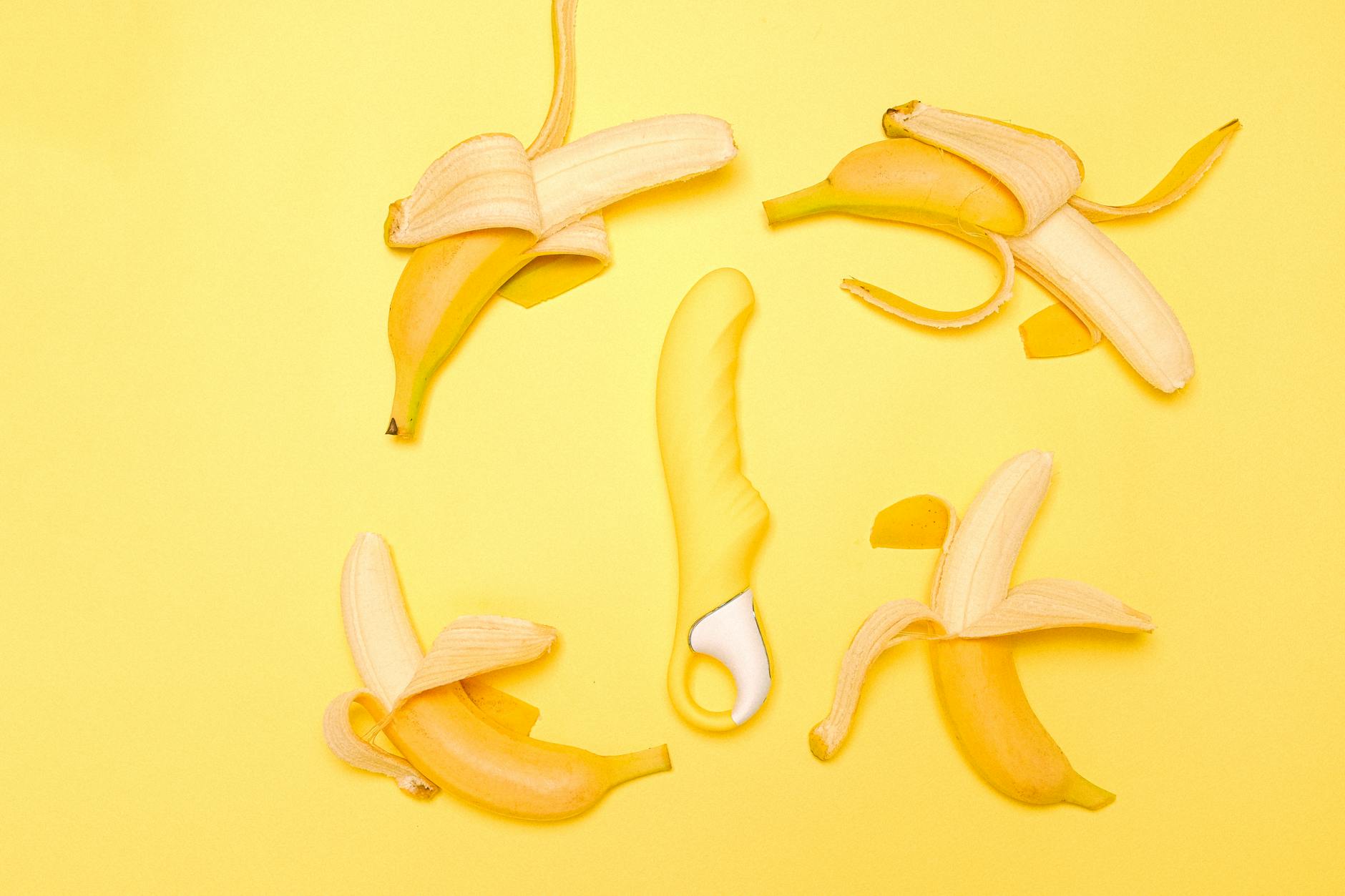
How to Use Lemon Vibrators When You're Dealing With Medication Side Effects
SSRIs, antihistamines, and blood pressure meds kill arousal and sensation. Here's how lemon clitoral vibrators help you reclaim pleasure while staying on prescriptions.
You started a new antidepressant and suddenly nothing works down there. Or your blood pressure meds arrived, and arousal became a theoretical concept. Maybe antihistamines are your life now, and you've noticed sensation has vanished completely. You're not broken. Your medication is doing its job, which is sometimes suppressing the exact neural pathways that light up pleasure.
Here's what rarely gets discussed: you don't have to choose between mental health and sexual pleasure. But the gap between "your doctor has no idea this is happening" and "I need to fix this" is where most people get stuck. That's where lemon vibrators step in.
Some meds suppress pleasure predictably. Others are wild cards. The biggest culprits:
SSRIs and SNRIs (sertraline, paroxetine, venlafaxine, etc.). These mess with serotonin regulation, which directly dampens physical arousal and genital sensation. Up to 60% of people on these experience some sexual dysfunction. It's not failure. It's pharmacology.
Antihistamines (cetirizine, loratadine). They dry out mucous membranes everywhere, including down there. Less lubrication means reduced sensation and slower arousal.
Beta-blockers and ACE inhibitors for blood pressure. These reduce blood flow to genital tissue, which makes arousal slower and sometimes impossible.
Antipsychotics (risperidone, olanzapine). These affect dopamine, which drives desire itself. Sensation may be intact, but you simply don't want sex.
The technical reason doesn't matter much when you're living it. What matters is knowing this is reversible and manageable.
Medication-related sexual dysfunction happens because your nervous system is getting mixed signals. Arousal requires a cascade: desire appears, blood flow increases, nerve endings wake up, sensation builds. One medication can break that chain at any point.
Lemon vibrators, especially high-quality clitoral vibrators like The Lem, bypass some of those links. Here's how:
They provide external stimulus your body might not generate on its own. When medication dulls arousal, your body isn't producing enough clitoral engorgement or lubrication to create sensation naturally. External vibration stimulates nerve endings directly, independent of how much blood flow your medication permits.
Air-suction technology works differently than vibration alone. The Lem uses pulsing suction rather than direct friction. This matters because when medication-related dryness is present, suction distributes pressure more evenly than a vibrator would, reducing friction and discomfort while amplifying sensation through a different neural pathway.
They require less arousal to start. A standard vibrator often requires you to be somewhat turned on already. Lemon clitoral vibrators can create sensation from a neutral state, which means you're not waiting for desire to show up first. Sensation sometimes arrives after stimulation begins, not before.
Most people think medication-related numbness means they need to switch meds. Sometimes that's true. Usually it's not necessary. What works instead:
Week one: presence without pressure. Use your lemon vibrator for 10 minutes, three times, with zero expectation of orgasm. The goal is mapping what sensation still exists. You might feel less than you used to, but "less" is not "none." Notice where you feel it first (inner labia, clitoral hood, shaft). That's your starting point.
Week two: pattern exploration. Most lemon vibrators, including The Lem, have multiple intensity levels and pulse patterns. Medication-dulled sensation often responds better to patterns than steady vibration. The rhythm gives your nervous system something to track. Spend time on patterns 2 and 3 rather than jumping straight to maximum.
Week three: timing and warm-up. Medication can slow arousal dramatically. Budget 20-30 minutes instead of 5. Start with your lemon vibrator on a lower setting while you do something that historically turns you on (reading erotica, memory of a good experience, fantasy). Let sensation build slowly.
Ongoing: lubrication matters. If your medication dries you out, water-based lube isn't optional. It's infrastructure. Apply before you start. Reapply halfway through. Dryness makes everything feel less intense, not because sensation is gone, but because friction interferes with the signal.
Don't go in saying "my medication killed my sex life." That sentence shuts the conversation down because your doctor hears "switch meds" and gets defensive about your mental health stability.
Instead: "I've noticed reduced sensation and arousal as a side effect. I'm exploring ways to manage it without changing medications, but I wanted you aware. Are there any interactions I should know about?" This frames it as you managing a side effect responsibly, not as a crisis.
If it gets worse instead of better, or if desire disappears completely (different from sensation being dulled), ask about:
Timing shifts. Some SSRIs hit sexual function hardest right after you take them. Taking your dose at night instead of morning can shift when the peak hits.
Micro-dose adjustments. Sometimes dropping from 50mg to 40mg keeps the mental health benefit while reducing sexual side effects. This is your doctor's call, not yours, but it's worth asking.
Adjunct medications. Bupropion sometimes reverses SSRI sexual dysfunction. Buspirone does too, for some people. Again, your doctor would prescribe these if appropriate.
Most of the time though, you don't need to change anything. You just need the right tools and patience.
Medication-related sexual dysfunction hits different than other things that reduce pleasure. It feels like proof that your body is broken, when actually your body is following chemical instructions it didn't choose.
That's worth acknowledging. Frustration is reasonable. Anger at the medication is reasonable. But somewhere in there, you have to separate "my medication affects my arousal" from "I am broken." The first is true. The second is never true.
Lemon clitoral vibrators aren't a workaround for broken bodies. They're tools for pleasure that don't require the arousal cascade your medication is dampening. They're also evidence that sensation is still there. You're not numb. You're just working with a narrower bandwidth than before.
Most people who stick with this find that sensation returns gradually as their nervous system adjusts to the medication. It often takes 8-12 weeks. During that time, having something that works reliably matters more than pretending everything is normal.
This matters enough to say twice. Some medications kill sensation (you feel nothing). Some kill desire (you feel nothing is worth pursuing). Lemon vibrators help tremendously with the first. With the second, you might need your prescriber's help, because external stimulation can't create motivation that's being chemically suppressed.
If you're using your vibrator and physically feel good, but you still don't care about sex, that's a desire problem, not a sensation problem. That's a conversation for your doctor or a therapist who understands medication effects. Don't assume your vibrator is the wrong one. Assume the side effect needs different management.
If three weeks of consistent use isn't producing results, and you're already adding lube and giving yourself time, it might be time to loop your doctor in or consider whether this particular medication is the right one for you. That's information worth having.
But most people find that lemon vibrators, combined with patience and the right setup, restore pleasure within 4-6 weeks. Your nervous system is adaptable. Your medication isn't permanent. Pleasure comes back. It just needs the right conditions and the right tool.
Can I use my lemon vibrator while on SSRIs? Yes. Vibrators don't interact with medications. They bypass some of the arousal pathways medication affects, which is actually why they work so well for this specific problem.
How long until sensation comes back? Varies. Could be weeks, could be months. Some people find full sensation returns over time as their body adjusts. Others find a new baseline that's slightly less intense but still satisfying.
Should I switch medications if this doesn't work? Not automatically. Give yourself and the tool 4-6 weeks of consistent use first. If nothing changes and desire is completely gone (not just reduced), that's a conversation worth having with your prescriber.
What if my partner thinks I should switch meds? That's their anxiety talking, not your medical reality. Your mental health stability comes first. Your partner can learn to work with medication side effects. (If they can't, that's a different problem.)
Are lemon vibrators better for medication side effects than other toys? Air-suction clitoral vibrators like The Lem distribute sensation differently than traditional vibrators, which helps when sensation is dulled. But honestly, any quality vibrator is better than nothing. Lemon vibrators are just particularly effective for this.
Will adding lube help? Absolutely. Medication-related dryness makes everything feel less intense. Water-based lube changes the game entirely. It's not cheating. It's necessary infrastructure.
What if I'm on multiple medications? Stacking effects happen. Talk to your doctor, but understand that you might need more time and more patience. Your nervous system is working harder. That's worth accounting for.
There's a way through this that doesn't require choosing between your mental health and your pleasure. The tools exist. The information is here. What's left is time, a little experimentation, and the willingness to believe that your body isn't broken, just working through something temporarily.
If you're struggling with medication side effects and want to talk through options tailored to your situation, reach out to us. We work with this constantly, and there's often a solution you haven't tried yet.