You're not broken. Your libido isn't missing. It's camped out in your nervous system's threat-detection center, which makes total sense when your body is running on cortisol fumes. Chronic stress is the single fastest way to collapse desire, and it has nothing to do with how much you want your partner or how attractive they are.
The mechanism is simple. Stress activates your sympathetic nervous system. Your body literally cannot prioritize pleasure when it's scanning for danger. Arousal becomes impossible because your brain is too busy managing deadlines, worry, or burnout to signal the physiological cascade that leads to pleasure.
When hormonal changes affect desire, you can usually rebuild it with time and the right approach. When stress tanks your libido, the problem is bidirectional. Your nervous system is dysregulated, which blocks arousal. The blocked arousal then creates shame and pressure ("Why can't I want this?"), which dysregulates your nervous system further.
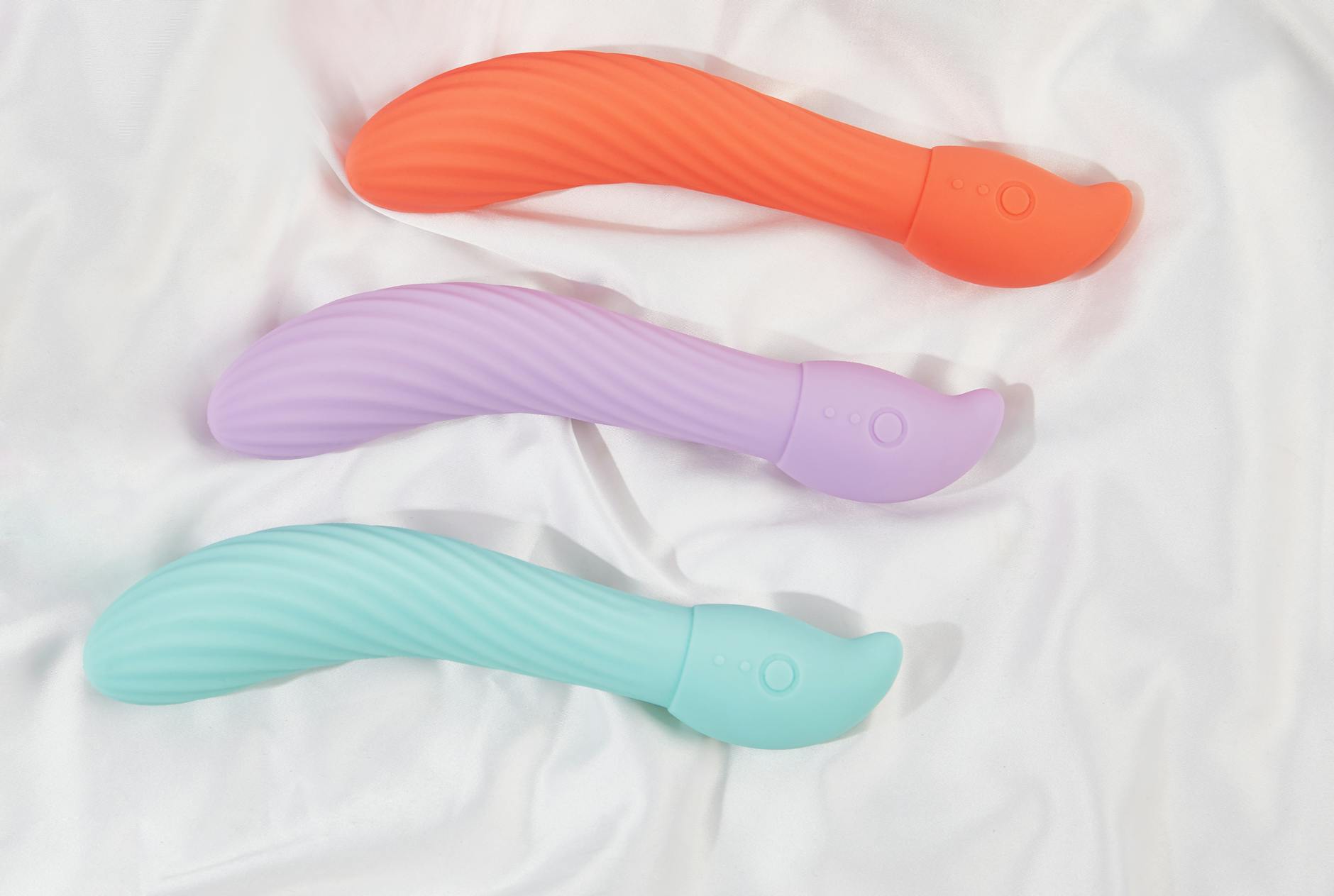
This is where lemon vibrators change the conversation. They don't fix stress. But they do something quieter and more useful: they give your nervous system permission to shift gears without requiring arousal to already exist. The suction-based stimulation in a lemon clitoral vibrator works on pure sensation, not on desire. You don't need to want sex. You just need to be willing to feel something different for ten minutes.
Your clitoris has thousands of nerve endings. Under normal conditions, they light up quickly in response to stimulation. But when cortisol is high, blood flow constricts. Your parasympathetic nervous system (the one that allows pleasure) stays offline. You can stimulate with perfect technique and feel almost nothing, which then reinforces the shame spiral.
Lemon sexual toys, specifically the suction-based design, bypass some of this by using gentle pressure and rhythm instead of direct friction. The stimulation pattern feels novel enough that your nervous system sometimes registers it as non-threatening, which allows a small window of parasympathetic activation. It's not magic. It's just anatomical reality.
Phase one is nervous system recovery. You can't think your way out of stress-blocked libido. You need to signal safety to your body first.
Start with 5-10 minutes of whatever actually calms you down. Not meditation if meditation stresses you out. Not exercise if you're already burned out. Real things: a walk where you deliberately notice five sensory details, a shower where you pay attention to water temperature, sitting with your partner in silence, or lying down with zero expectations.
Then introduce the lemon vibrator. Not for pleasure. For sensation. Use pattern one or two on the Hello Nancy lem vibrator. Set a ten-minute timer. The only goal is to notice what physical sensation feels like when there's no pressure attached to it.
Phase two arrives when you notice a small shift. Maybe arousal builds a little. Maybe not. Either way, you've done something that matters: you've proven to your nervous system that pleasure is still possible when life is hard.
The biggest mistake I see is expecting full arousal too soon. You'll spend five minutes with the lemon vibrator, feel a tiny spark of something, then get frustrated that it didn't become an orgasm. Your nervous system reads that frustration as another failure, and shuts down harder.
Instead, celebrate the sensation. "I felt something" is a win when you've been completely numb. Repeat it three times before you expect it to escalate. The nervous system learns through repetition that pleasure is safe again. That takes time when stress has been running the show.
The second mistake is using this while still in crisis mode. If you're in the thick of a major stressor (a health diagnosis, a work crisis, a relationship rupture), a lemon clitoral vibrator is a supporting tool, not a solution. You need to address the actual stress first. Therapy, conversations, changes in workload, medical support. The toy works better when the nervous system has some room to breathe.
If you're in a relationship, stress-blocked libido gets complicated fast. Partners often internalize it as rejection. Here's what helps: separate the two conversations.
"I'm dealing with stress that's affecting my arousal" is different from "I'm not attracted to you" or "I don't want you." Say the first thing clearly. Then say this: "I'm going to experiment with something that might help. I'd like to do it alone at first, to rebuild the sensation without pressure."
Then, after a few sessions when you feel something returning, invite them in if that appeals to you. Not as a performance. As "I'm starting to feel something again, and I'd like you nearby." The presence alone, without expectation, can help your nervous system continue the shift from threat mode to connection mode.
If stress-related libido loss has lasted more than three months and shows no signs of moving even after you address the stressor, see your GP. Some antidepressants, blood pressure medications, and hormonal contraceptives can amplify stress-related desire loss. A conversation with a clinician might reveal that a small medication adjustment opens up more space than therapy alone can.
Also get checked if stress-blocked desire comes with pain during sexual contact. Stress can trigger vaginismus or make pelvic floor tension worse. In that case, working with a pelvic floor physical therapist while using lemon adult toys makes a bigger difference than toy use alone.
You're not waiting for stress to go away before you can have pleasure again. That could take months or years. Instead, you're slowly teaching your nervous system that pleasure is possible alongside stress. The lemon vibrator becomes a tiny, portable way to say to your body: "Even when things are hard, you get to feel good sometimes."
That's not escapism. It's resilience. And it matters.
It depends on the stress level and how long it's been running. If you're in acute stress (a few weeks), you might feel a shift in two to three weeks of gentle exploration. If you've been burned out for months, budget four to six weeks of consistent nervous system work alongside toy use. The key is consistency and patience. One session with a lemon vibrator won't fix it. Repeated, pressure-free sessions teach your body that arousal is safe again.
Not directly. Pleasure won't erase a full workload or fix a difficult relationship. But orgasm does trigger a genuine physiological shift: blood pressure drops, cortisol decreases briefly, and your parasympathetic nervous system activates. If you can access that state even a few times a week, it provides small windows of recovery for your nervous system. Think of it as a tool alongside actual stress management, not instead of it.
Yes, and here's why. The suction pattern in lemon sexual toys like the Lem is gentler than the direct friction of traditional vibrators, which means your nervous system might find it less intense. When you're stressed, less intense can actually be more effective because you're not adding stimulation pressure on top of emotional pressure. Start with low suction patterns and let your body tell you if it needs more.
Completely normal, and it's worth addressing. Help them understand that this isn't about them. Say something like: "When I'm stressed, my nervous system needs to feel safe before pleasure is possible. Using this alone helps me rebuild that safety. It has nothing to do with how I feel about you." Then, when you feel arousal starting to return, invite them back in. The solo exploration is often the fastest path back to partnered pleasure too.
Sometimes, but usually not completely without active support. If you address the stressor and do nothing else, desire might return partially. If you add nervous system work (therapy, somatic practices, breathwork) and use tools like lemon clitoral vibrators to rebuild sensation, the return is faster and more stable. The body needs active permission to shift out of threat mode.
That's expected and not a problem. Numbness is your nervous system's defense mechanism. It takes time to soften. Keep going. You're not looking for an orgasm on day one. You're looking for any sensation that feels different from the numbness. A tingle, warmth, curiosity. Those small signals are your nervous system starting to realize that exploration is safe. Consistency matters more than intensity.