How to Use Lemon Vibrators When Trying to Conceive Affects Your Intimacy
Sex on a schedule feels less like connection and more like a job. Here's how lemon clitoral vibrators help you reclaim pleasure while navigating ovulation windows and conception planning.
Trying to conceive is supposed to be exciting. Instead, it often feels like a fertility audit. You know your ovulation window. Your partner knows your ovulation window. Sex becomes less about desire and more about biology, and somewhere in that shift, the intimacy that made you want a baby in the first place starts to disappear.
This isn't failure. It's what happens when spontaneity dies and obligation takes its place. And yes, lemon vibrators can actually help you navigate this.
Here's the research: when sex becomes goal-oriented, the brain's pleasure centers quiet down. You stop thinking about sensation and start thinking about outcomes. Arousal itself becomes harder because your nervous system is in task mode, not play mode. Oxytocin, the bonding hormone, drops when sex feels transactional.
For people with vulvas, this hits differently. Arousal requires mental clarity and permission to relax. When you're tracking ovulation, timing intercourse, and carrying the weight of conception planning, your pelvic floor tightens. Your body literally braces itself. The easier the physical response should be, the harder it often becomes.
Add in the pressure on your partner (especially if they're struggling with performance anxiety around the "fertility window"), and you have a scenario where neither of you is actually present during sex.
Here's what I recommend to couples in this situation: separate pleasure from conception timing.
This means: yes, have sex during your fertile window if that's part of your plan. But also, on other nights, have sex (or self-pleasure) that is purely about reconnection and physical sensation. No goal. No outcome tracking. Just presence.
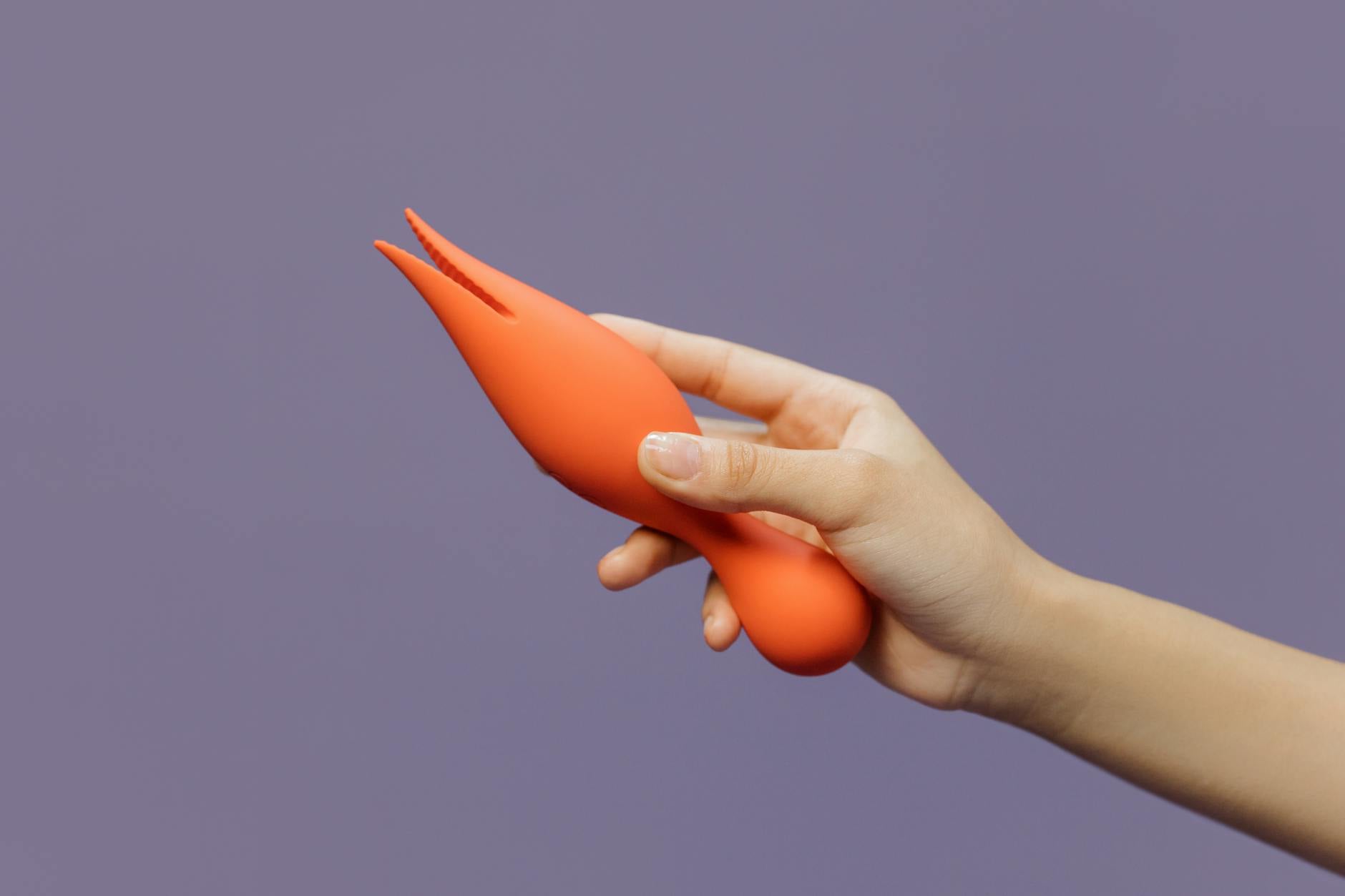
This is where lemon clitoral vibrators become a real tool. They help you rebuild the arousal pathway that conception planning has temporarily disrupted. Using a vibrator solo during non-fertile windows reminds your nervous system what pleasure without pressure feels like. You reconnect to your own desire first. Then you bring that reconnection back to your partner.
Days 1-7 (follicular phase, pre-ovulation). Arousal is typically easier here because estrogen is rising. This is the week to use your lemon vibrator solo or with your partner just for pleasure. No conception timing. No goal. Let your body remember what it feels like to be turned on for its own sake. Start slow, explore different intensity levels, and notice what feels good.
Days 8-12 (approaching ovulation). This is when many couples start thinking about timing. Fine. But also start incorporating your lemon clitoral vibrator with your partner. Use it during foreplay to extend arousal and pleasure before any goal-oriented sex. This keeps both of you connected to sensation rather than just the task ahead.
Days 13-15 (ovulation window). If this is your fertile window, have the sex you need to have for conception. But also use your vibrator during foreplay or before sex to ensure arousal is genuine. If you're naturally dry because stress is high, lube plus a lemon vibrator creates sensation and comfort without pressure.
Days 16-28 (luteal phase). Arousal often dips here. Don't fight it. Instead, use your vibrator to build it intentionally. Longer sessions, more time on slower patterns. This isn't about reaching orgasm on a deadline. It's about spending time in pleasure without outcome. This grounds you before the cycle starts again.
Often, the partner without the ticking biological clock carries enormous performance anxiety during conception attempts. They worry about erectile function, timing, and whether they're "doing it right."
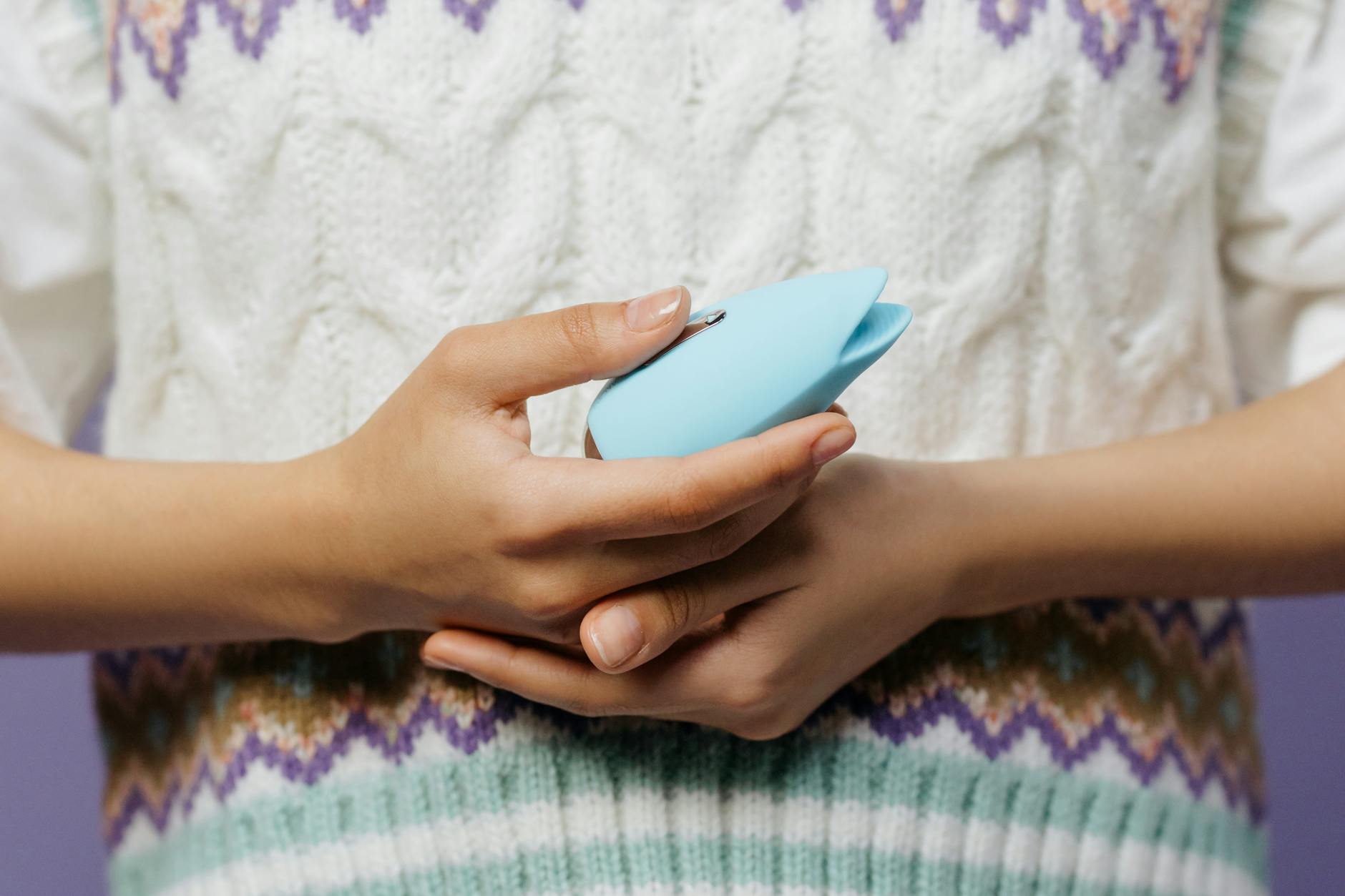
A lemon vibrator (or any external vibrator your couple uses together) removes some of that pressure. Instead of the entire pleasure experience resting on their body and performance, there's a tool that adds sensation and pleasure without requiring them to do anything differently. This shifts the dynamic from "I have to perform" to "we're exploring this together."
If your partner is open to it, using a vibrator during partnered sex also takes some of the frequency pressure off. If you're using a vibrator during intercourse, you may orgasm faster, which can feel less like a performance review and more like genuine connection.
Sometimes the damage runs deeper. After months of timed sex and ovulation tracking, desire has genuinely evaporated. You're not avoiding sex because you're tired. You're avoiding it because sex has become synonymous with obligation.
This requires a real reset. I often recommend couples stop having goal-oriented sex for a full cycle. Instead, use that time to rebuild intimacy through pleasure. Use your lemon vibrator solo 2-3 times per week, not to orgasm necessarily, but to reconnect to your own arousal. Then bring that renewed sense of desire to your partner through non-goal sex: kissing, touch, and play that has no conception endpoint.
Yes, this means one month where you're not actively trying. But you're also not pretending. And when you restart conception timing, you'll both be coming from a place of genuine desire rather than obligation.
Before you introduce a vibrator into conception planning, talk about it. Not in a clinical way, but honestly.
"This isn't working for me" is a valid starting point. "I need us to remember how this feels when there's no deadline" is the follow-up. "I want to use a vibrator because I think it'll help me stay in my own arousal, even during the fertile window" is clear and actionable.
Your partner might worry that a vibrator means they're not enough. They might think it's a sign that you're not attracted to them. Neither is true. A lemon clitoral vibrator is a tool for presence, not a replacement. It helps you show up more fully because you're less in your head about conception and more in your body about sensation.
No. A vibrator doesn't affect sperm viability, ovulation, or conception rates. Some studies suggest that regular orgasms (whether solo or partnered) may slightly support fertility through improved blood flow and pelvic muscle tone, but the primary benefit is psychological: you reconnect to pleasure and reduce stress, both of which support overall reproductive health.
Possibly, if you don't talk about it first. But framed correctly, a vibrator is a tool for reconnection, not replacement. The key conversation is: "I want to use this because I want to feel aroused and present with you, not stressed about timing." That's collaborative, not threatening.
Then weave it into your partnered sex. Use a lemon clitoral vibrator during foreplay on non-fertile days. This takes less time than solo exploration and keeps both of you connected to pleasure rather than just the mechanical act of intercourse.
Typically 2-4 weeks of consistent non-goal pleasure. That means regular use of your vibrator (solo or with your partner) specifically for sensation, not orgasm. Some couples feel the shift faster. Others need the full month. There's no "normal" timeline.
Yes, if it helps you stay aroused. Use it during foreplay to build genuine arousal. During intercourse itself, some couples find that a vibrator positioned against the vulva during sex (with your partner inside you or alongside them) enhances sensation for both people. Others prefer the vibrator before or after. Experiment and see what feels like presence rather than performance.
This worry comes up often and usually isn't grounded. A vibrator doesn't rewire your nervous system. It provides consistent, targeted stimulation that your hand or a partner's hand might not. Using it regularly doesn't mean you'll lose the ability to orgasm other ways. If anything, using a vibrator during conception planning helps you stay connected to your own arousal during a stressful time, which supports your overall sexual function.
Trying to conceive doesn't have to mean losing intimacy. It means being intentional about protecting it. A lemon clitoral vibrator is one tool for that protection. It helps you separate pleasure from conception planning, rebuild arousal when scheduling has drained it, and stay present with your partner instead of in your head about fertility windows.
Your desire matters as much as your ovulation. Treat it that way.
If intimacy has eroded further than a vibrator can fix, that's also valid information. A conversation with a therapist or sex counselor can help you and your partner navigate conception planning without losing the connection that made you want this journey in the first place. Reach out if you need support.