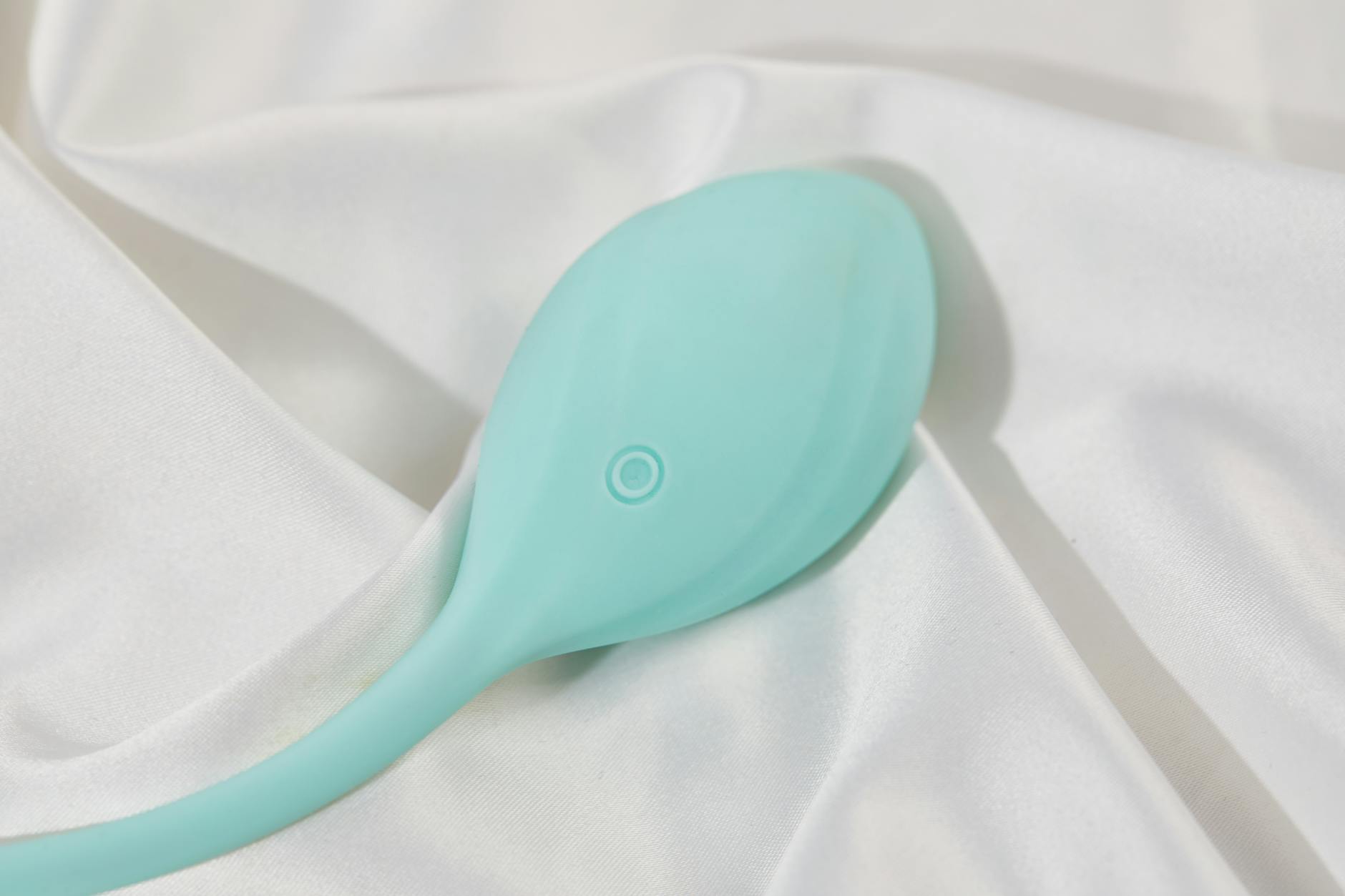
How to Use Lemon Vibrators When Rebuilding Trust After Infidelity
Physical reconnection doesn't erase the breach. But for couples willing to do the work, a clitoral vibrator can help bridge the gap between emotional healing and bodily pleasure.
Infidelity isn't just a sexual betrayal. It's a breach of trust, safety, and the story you were telling yourself about your relationship. After an affair, sex becomes loaded. What used to feel straightforward now carries weight. Every touch asks a question. Every moment of vulnerability risks reopening the wound.
Here's what I've observed in my practice across decades of working with couples. The couples who recover strongest are the ones who don't treat sexual reconnection as separate from emotional repair. They treat it as part of the same conversation.
After infidelity, many people swing between two extremes. One partner wants to skip sex entirely, treating physical touch as a minefield. The other pushes for "getting back to normal" as if the breach never happened. Neither works. Sex becomes either a void or a performance.
Using a tool like a lemon vibrator in this context does something specific. It removes some of the pressure from partner-focused stimulation. It allows each person to be responsible for their own pleasure while the couple remains connected. That's not a cop-out. That's a scaffold.
Listen. I want to be direct here. A toy doesn't fix infidelity. Pleasure doesn't erase betrayal. If you're thinking "we'll just use a vibrator and we'll be fine," you're skipping the actual work.
The work is conversations. Hard ones. It's the unfaithful partner explaining what led them there, not minimizing or excusing, but actually answering difficult questions. It's months of consistency and transparency. It's rebuilding the foundation so that when sex re-enters the picture, it's not happening in a vacuum.
Assuming that foundation is being laid. Assuming you're both in it. Then a lemon vibrator becomes useful.
When couples are rebuilding after infidelity, I often recommend starting with non-partnered pleasure. Meaning. One partner uses the vibrator alone while the other is present and comfortable, but not performing or being performed for.
This does a few things. First, it separates your nervous system's response from the pressure of being watched or judged. Second, it reminds your body that pleasure is still available to you, even after betrayal. Third, it lets both partners see that pleasure can exist in the same room without being entangled.
Start at the lowest pattern on a lemon clitoral vibrator. Breathe. There's no finish line. The point is sensation, not outcomes.
Once both people can be present with pleasure in the room, the next step is gentler. One partner uses the vibrator while the other provides non-sexual touch. A hand on the thigh. Fingers through hair. Words of encouragement. Nothing that demands reciprocal arousal or performance.
This is where trust begins to feel different in your body. You're being vulnerable. The other person is witnessing it. And they're not using that vulnerability against you or abandoning you. That's healing happening in real time.
When the person with the vibrator feels ready, the other partner can be more involved. Holding the toy. Helping. But slowly. The lemon vibrator's suction-based design means you don't need a lot of movement or pressure to create sensation. That works in your favor here. It's not demanding. It doesn't require the frantic energy of other toys.
One thing infidelity does is make people afraid to ask for what they want. If you voice a desire, your partner might feel threatened. If you don't, you're both pretending pleasure doesn't matter, which is its own kind of lie.
Using a tool like the Lem vibrator gives you language. "I want to try this together." "Can you hold this while I..." "I need this right now." The toy becomes a bridge between your bodies and your words.
It also gives you both permission to acknowledge that pleasure can be individual and shared at the same time. That's actually how healthy sexuality works. But after infidelity, you might have forgotten.
I want to be clear. Some couples take weeks before they can be intimate again. Some take months. Some take years. There's no acceptable timeline. Your nervous system is the only measure that matters.
If using a lemon vibrator together feels triggering or wrong, that's information. Stop. Go back to conversations and trust-building. Try again in a month. The vibrator will still be there. It's not going anywhere.
For other couples, introducing pleasure slowly becomes part of the repair itself. A way of saying "we are still this for each other. Our bodies still matter. Our pleasure still exists." That can be powerful.
If you're both ready to try partnered pleasure but something feels stuck, a sex therapist trained in trauma-informed care can help. They're not there to fix your infidelity. That's couples therapy territory. But they can help you navigate the specific ways that betrayal lives in your body and rebuild your sexual relationship safely.
Some couples benefit from having that professional presence. Some don't. But knowing it's an option can take pressure off.
Rebuilding after infidelity is slow, patient work. A lemon clitoral vibrator doesn't shortcut that process. But it can help you remember that even after betrayal, pleasure is still possible. Your body is still worthy. Your partnership, if you choose to repair it, can include desire again.
That's not forgetting. That's choosing, consciously and carefully, to build something new.
There's no set timeline. Most couples who rebuild successfully spend at least several weeks or months on trust-building conversations before reintroducing physical intimacy. The unfaithful partner needs to demonstrate consistency, transparency, and genuine accountability. Only you know when your nervous system feels safe enough. If you're not sure, that's your answer. Wait longer.
A vibrator isn't magic, but it can help. It removes some of the pressure from partnered performance, allows each person to be responsible for their own pleasure, and creates a neutral space where both of you can experience sensation together without the weight of typical partnered sex. Think of it as a tool that supports the real work, which is emotional repair and trust-building.
Triggers after infidelity are normal. Your nervous system is protecting you. If a vibrator feels triggering, pause and return to conversations with your partner about what you need. You might benefit from working with a sex therapist or trauma-informed therapist to process those triggers safely. There's no rush.
Completely okay. Pleasure doesn't have to be synchronized. One partner using a vibrator while the other provides support or is simply present can be enough. In fact, for many couples rebuilding after infidelity, this is exactly where healing begins. Both people get to experience pleasure without the pressure of reciprocal arousal.
No. Intimacy is not the time to process betrayal. That conversation belongs in a therapist's office or in dedicated, non-sexual time. When you're together physically, you're building safety and pleasure. Those are different conversations. Keep them separate.
That's a big question, and it's not one I can answer for you. Some couples stay together and repair successfully. Some don't. The first step is honest assessment. Does the unfaithful partner want to understand and change their behavior? Can the betrayed partner imagine trusting again, eventually? Are both people willing to do the work? If the answers are yes, rebuilding is possible. If they're no, that's information too.