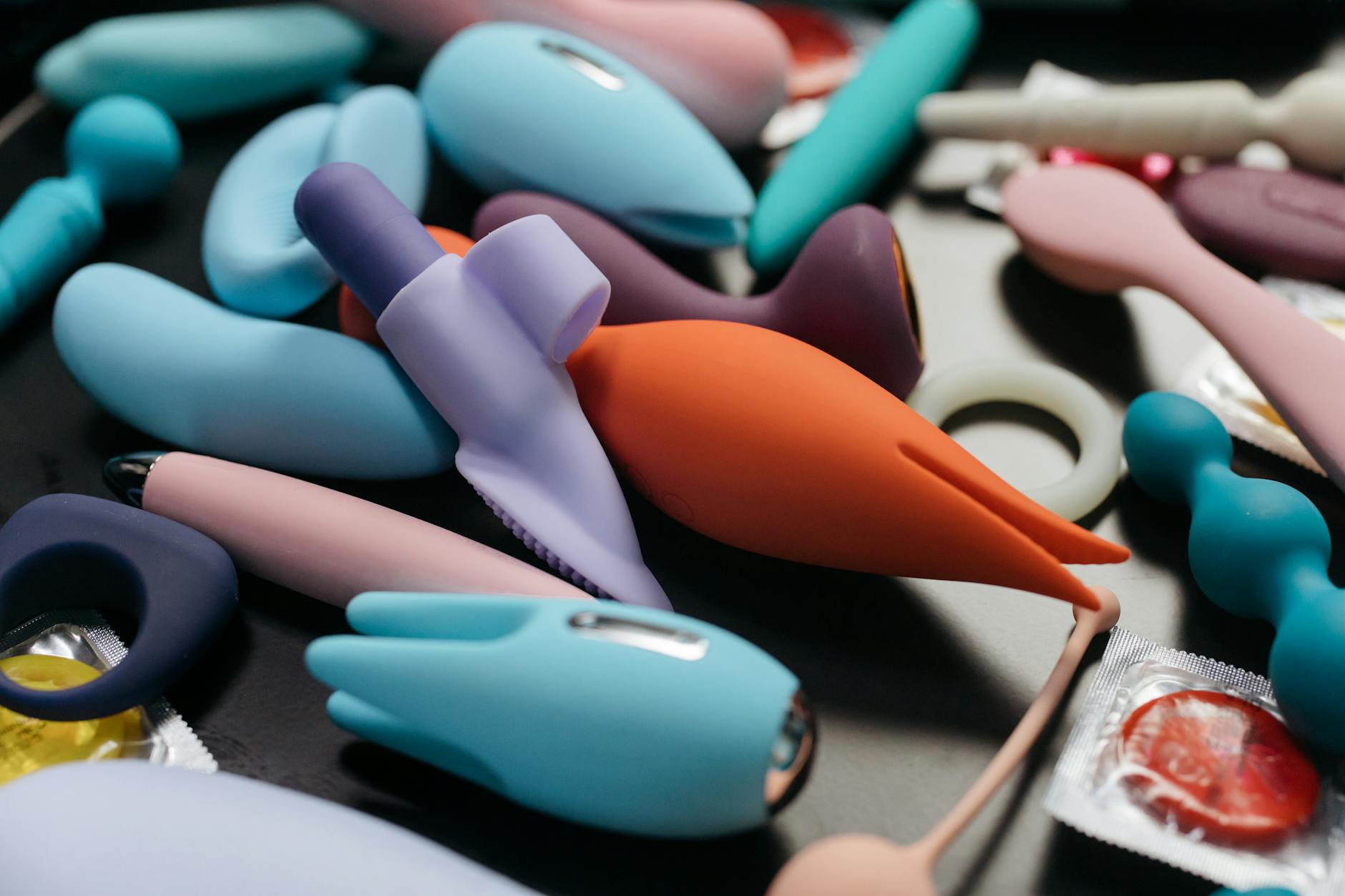
You got a lemon vibrator because you wanted to feel good. Instead, it feels too much. Not slightly too much. Not "I'll get used to it." Actually overwhelming. Your body recoils. Your nervous system says no. And now you're wondering if something is wrong with you, or if you're just wired differently.
Neither. Overstimulation is a real physiological response, and it's wildly more common than anyone talks about. The good news is that it's completely manageable.
Your sensitivity is not a bug. It's signal. Some people's clitoral nerve endings are denser, or their nervous systems are wired to register vibration more intensely. Others have experienced trauma, anxiety, or medication side effects that make their bodies hypervigilant to sensation. Still others are going through hormonal shifts that have rewired their tolerance entirely.
There's also a difference between your baseline sensitivity and your situational sensitivity. You might be fine with vibration at 8 p.m. but completely overwhelmed at 9 p.m. if you're stressed, tired, or haven't eaten. Your nervous system isn't stable throughout the day, and that's normal.
The vibration intensity of clitoral vibrators varies enormously. The Lemon Clitoral Vibrator, for instance, has multiple settings that go from whisper-soft to intense, but even on the lowest setting, some bodies find it too direct. That doesn't mean the tool is wrong for you. It means you need a different approach.
If you're overstimulated, your instinct might be to jump straight to the lowest setting. Do that. Then go one step lower if the option exists. If your lemon sexual toy only has a few settings, spend time with the gentlest one for longer than feels natural.
Honestly, the first thing I recommend is not using the vibrator directly on the clitoral head at all. Place it over your underwear, or use it on the broader labia, the mons pubis, the thighs. The vibration diffuses when it travels through fabric and tissue, which lowers the intensity without reducing the sensation entirely. You're still getting signal, but it's muted.
Many people discover that indirect stimulation is actually more pleasurable than direct contact anyway. Your whole vulva has nerve endings, not just the clitoris. Exploring that can take the pressure off the intense focal point.
If you want to increase your tolerance over time, the path is patience, not pushing through. Spend five minutes with the gentlest setting once a day for a week. Just presence. No goal. No orgasm target. Then maybe ten minutes the next week. If your body gets calmer around the sensation, you might naturally progress to a higher setting. If it doesn't, you don't need to.
There's a difference between expanding your capacity and white-knuckling through discomfort. One builds confidence. The other creates anxiety. If you're forcing yourself to tolerate something that doesn't feel good, your nervous system is learning that vibration is a threat. That's the opposite of what you want.
Most people find that their tolerance grows fastest when they're relaxed, well-rested, and using something external rather than penetrative. If you're tense, your muscles clench, which amplifies sensation. If you're tired, your nervous system is more reactive. If you're anxious about whether it will be too much, it will be.
Your body isn't a machine that responds the same way every time. It's a system that shifts based on your mental state, stress level, whether you've eaten, your sleep, your hormones, what you're thinking about, and whether you feel safe.
Try this: use your lemon clitoral vibrator after you've done something that calms your nervous system. A walk. A warm bath. Breathing exercises. Gentle stretching. Don't jump straight from a stressful work call into trying to use a vibrator. Your sympathetic nervous system is already activated, which means sensation will feel more intense.
Partner play can help here too. If you're comfortable, having someone present who you trust can signal safety to your nervous system. That doesn't mean they need to be involved in the pleasure itself. They could just be nearby, reading, present. Your body's threat-detection system relaxes when it feels protected.
A really damp environment changes how vibration feels. Water-based lubricant doesn't just make things smoother. It creates a slight buffer between vibrator and tissue, which softens the intensity of the sensation. If you're overstimulated, lube is your friend.
Apply generously. Reapply mid-session if needed. The additional moisture reduces friction and creates more glide, which paradoxically makes vibration feel gentler even though the tool itself isn't changing. Some people find that this one shift makes their experience entirely different.
Not every vibrator is built the same way. Sucking vibrators like the Lemon Clitoral Vibrator use air-pulse technology rather than traditional vibration, which many people find less jarring and more comfortable if direct vibration feels overwhelming. The sensation is more of a rhythmic squeeze than a buzz, which can feel significantly gentler.
Wands tend to provide broader, more diffuse stimulation. Smaller vibrators allow for more control over placement. Vibrators with ramp-up modes start quiet and build gradually rather than hitting you immediately. If standard vibration is too much, exploring a different technology altogether might be the move.
Your lemon adult toys library doesn't have to be one massive vibrator. Sometimes a smaller, quieter, less direct tool is actually the better fit for your nervous system.
If you're using lemon sexual toys in partnered play, overstimulation becomes a conversation. The last thing you want is your partner turning the intensity up because they're trying to help, not realizing you're actually overwhelmed.
Be direct: "That setting is too intense. Can you try the lowest?" or "Can you move it over the underwear instead of direct?" Good partners want to know. They're not trying to harm you. They just need information.
You might also need to pause mid-session and say "I'm overstimulated right now. Let's try something slower." That's not failure. That's communication. Your body's feedback is real data, and it's telling you something important.
Your partner's touch is varied. Rhythm shifts. Pressure changes. Speed modulates. Even a vibrator on one setting is monotonous by comparison. Your nervous system can handle variation more easily than sustained stimulus. That's not a flaw in you or the vibrator. It's just how brains work.
No. Vibration won't damage your clitoral nerves. What it can do is make your nervous system temporarily more reactive or more vigilant. That calms down when you give yourself time away from the sensation. Think of it like loud noise. It won't permanently damage your hearing, but it does make your ears temporarily more sensitive. Rest helps.
Yes, but slowly. Graduated exposure combined with a calm nervous system is the pathway. The key is patience. Forcing it makes your body more defensive, not less. If you genuinely want to expand your tolerance, consistency matters more than intensity.
Likely because partnered touch includes anticipation, variety, and someone else's energy. Vibration is relentless. Your body can handle relentlessness for a time, but then it hits a wall. Try using your lemon vibrator for shorter sessions, or combine it with breaks of manual touch from your partner. Rhythm variation helps.
Absolutely. Anxiety activates your sympathetic nervous system, which makes your entire body more reactive. If you're nervous that the vibrator will be too much, your body will perceive it as more intense than it actually is. Grounding exercises, breathing, or just reminding yourself you can stop anytime helps.
If it's new and painful, yes. If it's more of a sensitivity issue, talking to a sex therapist or a healthcare provider who specializes in sexual health is useful. Overstimulation can sometimes signal nerve issues, medication effects, or hormonal shifts that are worth exploring with professional help.
Your body's feedback is not a rejection of pleasure. It's information. Overstimulation is just your nervous system saying "not like this, not now." That's valuable. Working with that signal, rather than against it, is how you actually build a sustainable relationship with pleasure.
You don't have to white-knuckle through discomfort to have a good experience. The people who report the most satisfaction with their lemon clitoral vibrators are the ones who used them at their own pace, respected their own limits, and built tolerance slowly. That's not settling. That's actually the smarter path.
If you want to talk through your specific situation, reach out. There's no judgment, only clarity.