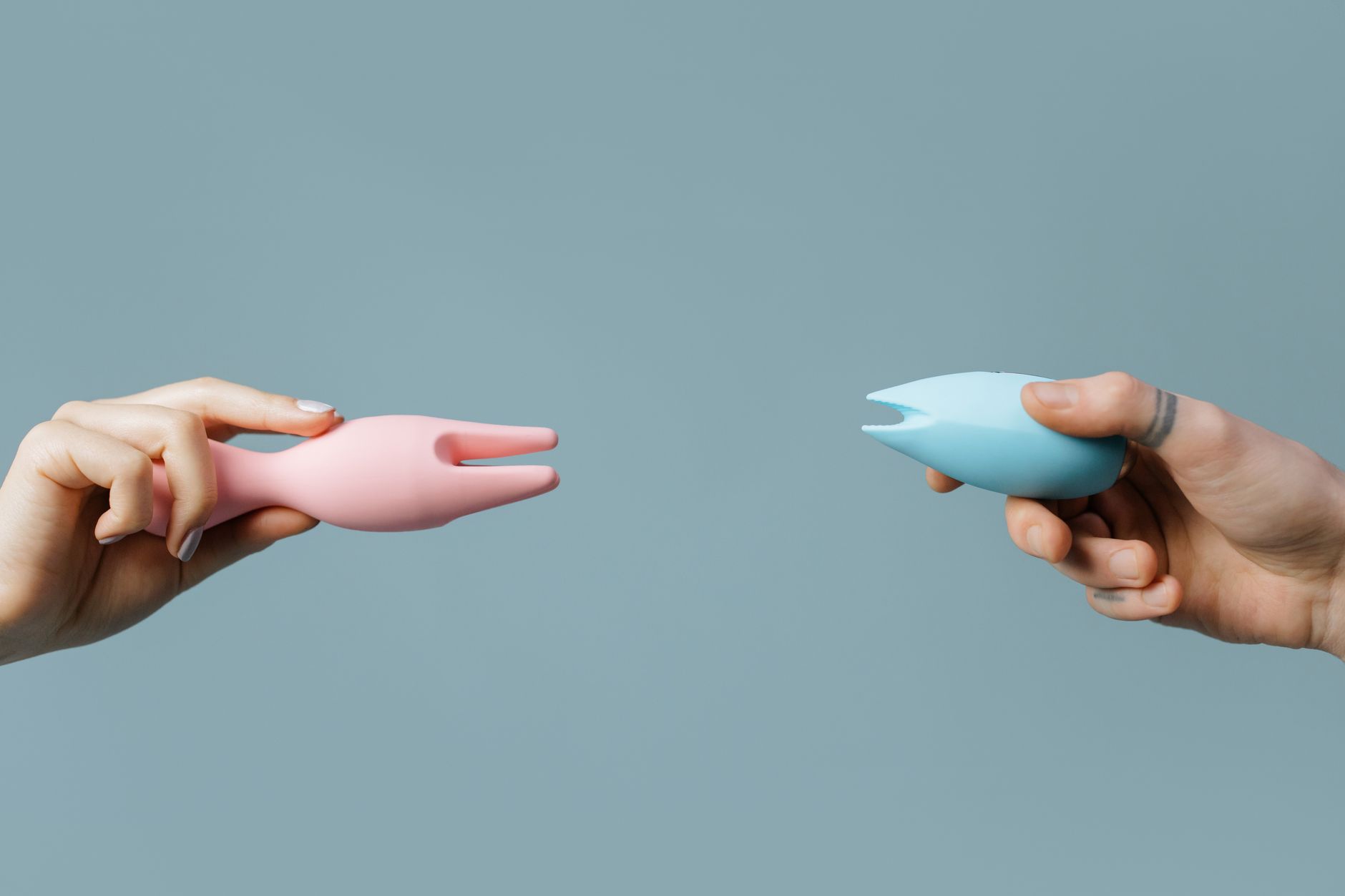
How to Use Lemon Vibrators During Early Dating When You're Nervous About Pleasure
New relationships bring new vulnerabilities. Here's how staying connected to your own pleasure keeps you grounded, confident, and present with a partner.
Early dating is already loaded with performance pressure. You're figuring out what you like, what they like, whether the chemistry is real or just good lighting. Add pleasure into that mix, and many people freeze. The worry shows up as: What if I'm too loud? What if I can't orgasm? What if they judge me? What if I orgasm too fast and they think I'm easy? What if they're better at this than my ex?
Here's what I see in my practice: people who maintain a solo pleasure practice during early dating are more confident, more present, and paradoxically more comfortable with partners. They're not trying to perform. They already know their body works. They know what they like. They've practiced asking for it.
When you're out of touch with your own pleasure, you hand all the responsibility for satisfaction to your partner. That's unfair to them and destabilizing for you. A lemon clitoral vibrator during your solo time isn't a substitute for couple's intimacy. It's maintenance. It's the difference between knowing your own baseline and constantly trying to figure out if something is working.
The bonus: people who know themselves sexually are better communicators, better listeners, and less likely to misread a partner's signals as judgment.
When you're in the early dating phase, your nervous system is already activated. Butterflies, uncertainty, the delicious tension of not knowing yet. That's not the same as sexual arousal—it's novelty and risk. Real arousal requires a shift into your parasympathetic nervous system, which is the opposite of vigilant.
Solo pleasure practice, especially with a tool like a lemon vibrator that gives you reliable, consistent stimulation, trains your brain to drop into that parasympathetic state. You're not worrying about someone else's experience or timeline. You're just noticing sensation. Over time, that becomes muscle memory. When you're with a partner later, you know how to find that state even in the presence of another person.
This is not selfish. This is the opposite of selfish. You're building capacity.
Four practical shifts from what you might do solo versus what works when you're managing early relationship nerves.
Keep it separate from couple time (at first). Don't introduce your vibrator to a partner in week two. You're still building trust. Use your solo time to stay grounded in your own pleasure, independent of their presence or opinion. This keeps you from performing, and it keeps the early intimacy you're building with them from becoming about proving something.
Use it as a reset after dates. If you come home from a date wound up, overthinking, or running through what happened, ten minutes with your lemon vibrator helps. It pulls you back into sensation, back into your body, back into the present. You'll sleep better and feel less anxious before the next date.
Notice what you learn. Pay attention during solo time. What patterns of stimulation feel best right now? Are you distracted, or fully present? Can you orgasm easily, or is it taking longer because you're thinking about the date? These observations matter because they tell you something about your nervous system state, not about your broken body.
Normalize pleasure without shame. If this person eventually becomes your partner and you want to share vibrators together, you'll have already practiced talking about pleasure on your own terms. You won't be asking permission. You'll be inviting them into something you already value. That's a completely different energy.
If early dating progresses into couple's intimacy and you want to introduce your lemon clitoral vibrator or other toys, frame it as expanding pleasure for both of you, not as a substitute or a fix. Here's what that sounds like:
"I have something that really helps me get out of my head during solo time, and I'm curious if you'd be interested in exploring that together." Not: "I can't come without it." Not: "I need this because you're not enough." The first version is true. The second two sound like problems.
Most partners appreciate knowing that you have a practice that keeps you connected to pleasure. It takes pressure off them. It signals that you're responsible for your own experience.
In early dating, lemon vibrators are your solo anchor. As trust builds and the relationship matures, they can become a bridge. Some couples find that using vibrators together deepens connection because it removes the goal of performance and makes space for exploration. Some couples keep them separate. Both are fine.
What matters is that you don't lose your solo practice. I see couples ten years in who stopped using vibrators or exploring solo pleasure because they thought it would be insulting to their partner. Then resentment creeps in. Pleasure got outsourced instead of shared.
Your nervousness isn't a sign you're broken or that you need to be fixed before you're ready for a relationship. It's normal. Early dating should feel a little risky. That's what makes connection real.
Staying connected to your own pleasure during this window isn't about proving you're sexually advanced or confident. It's about taking care of yourself while you're also being vulnerable with someone new. It's about knowing the difference between nervousness and arousal, between performance and presence.
Your pleasure matters. Not eventually. Not after you prove yourself. Now.
Not even a little. Solo pleasure and coupled pleasure are different things. One doesn't replace the other. People in happy relationships across the spectrum use vibrators alone. It helps you stay grounded, practice orgasm, and maintain your sense of agency. If anything, it makes you a better partner because you're not outsourcing your pleasure entirely to someone else.
When it feels natural and trust is there. For some couples that's three months in. For others it's six. There's no deadline. You don't have to volunteer the information on a second date. When physical intimacy is happening regularly and you want to introduce it together, that's the conversation to have. Frame it as expanding what you both experience, not as a confession.
Only if you frame it that way. A lemon clitoral vibrator is a tool that creates specific sensations. It's not a replacement for a person. Think of it like this: you probably use a pillow even though you have hands. The pillow doesn't mean you don't value your hands. You're just using different tools for different purposes. A partner who gets defensive about your vibrator is showing you information about their insecurity, not about your desirability.
Absolutely. When you practice pleasure solo, your nervous system learns that your body works, that arousal is available to you, that you can find sensation even when there's pressure. That confidence translates. You're less likely to catastrophize during intimacy with a partner. You've already proven to yourself that pleasure is possible.
This is extremely common during early dating. Your brain is processing novelty, vulnerability, and trust simultaneously. That's a lot of cognitive load. Your nervous system might not feel safe enough to fully relax into orgasm with someone new. Keep using your vibrator solo. It's not a statement about the relationship. It's about your nervous system needing more time. As trust deepens, usually orgasm with a partner becomes easier.
Do both. Your pleasure is your responsibility. You get to explore, know yourself, practice asking for what you want. A partner is there to join you in that, not to be the sole source of it. The couples who have the best sex lives are the ones where both people have spent time understanding their own bodies first. You're not being selfish. You're being prepared.