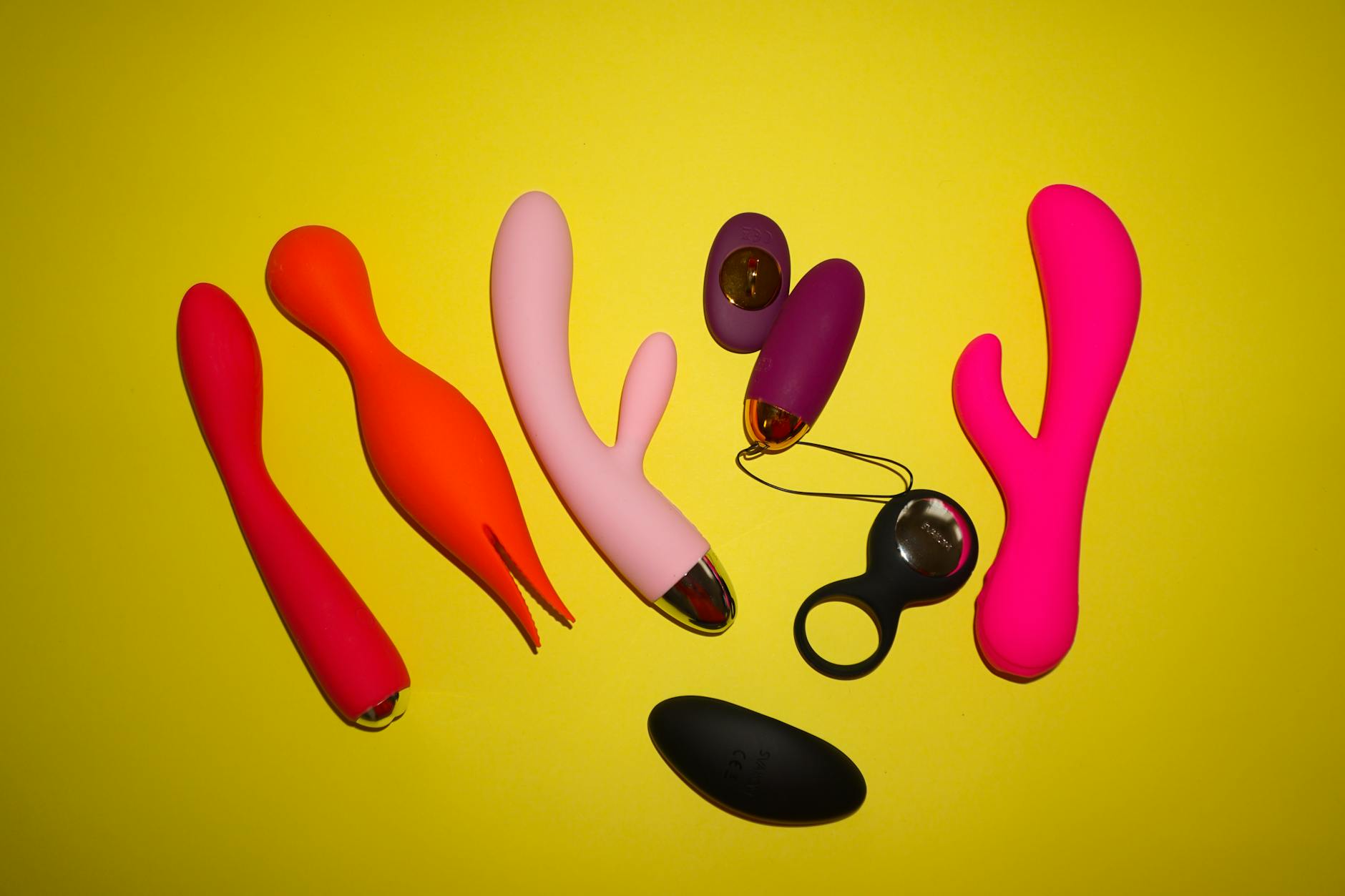
Two completely different approaches to clitoral pleasure. What they do differently, who they work best for, and how to know which one is actually right for your body.
Most of the time, someone asks me which is better—a lemon vibrator or a wand vibrator—they're actually asking: which one will work for my body? Not which one is objectively superior. That distinction changes everything about how I answer.
These two tools do genuinely different things. They feel different, work at different intensities, and respond differently to how your body changes over time. Understanding those differences means you stop buying toys hoping one of them magically works and start buying the right tool the first time.
Wand vibrators are broad, rumbly, and built for wide surface coverage. They have a large head, deliver vibration through a bigger area, and most operate at lower frequencies with more amplitude. Think of them as the workhorse: consistent, familiar, reliable.
Lemon clitoral vibrators, by contrast, use air-suction technology instead of traditional vibration. The lemon's design is smaller and more precise. Rather than buzzing, it uses gentle pulsing suction that focuses stimulation in a concentrated area. This is a fundamentally different sensation.
Here's where people get confused: "Lemon vibrators" isn't quite the right term, because they don't vibrate in the traditional sense. They suction. That matters because your nervous system reads these two inputs as distinct pleasures. What works brilliantly for one person might feel like nothing for another, depending on what your body actually responds to.
Wand vibrators typically operate in the 100-200 Hz range. They're strong, they build fast, and they don't require much learning curve. Most people feel them immediately. If you've been masturbating with a wand for years, your body knows what to expect.
The lemon clitoral vibrator operates differently. Its air-suction mechanism creates a gentler, pulsing pressure that many people describe as more rhythmic than overwhelming. Some bodies find this more satisfying; others don't feel it as strongly at first. There's a 30-second adjustment period where your brain catches up to what's happening.
This isn't a weakness. It's actually an asset for specific situations. People who experience sensitivity, numbness, or desensitization from years of traditional vibrator use often find that lemon vibrators reawaken sensation because they're stimulating through a different neural pathway.
The best vibrator isn't the strongest one. It's the one that speaks to how your body actually responds.
I recommend lemon vibrators to clients in these situations:
Sensitivity or pain around direct stimulation. If traditional vibration feels too intense, too buzzy, or causes discomfort, the gentler pressure of air-suction is often a game-changer. People with vulvodynia or general contact sensitivity frequently report that lemon suction toys feel soothing rather than painful.
Desensitization from long-term vibrator use. Your body adapts. What felt amazing at twenty can stop working at thirty-five. Switching to a completely different stimulation type (suction instead of vibration) can restore sensation and intensity.
Needing precise, focused stimulation. The lemon's smaller head is ideal if you know exactly where you need the most pressure. Wands spray stimulation across a wide area; the lemon targets.
Partners who want to use toys together. The lemon's smaller size makes it easier to incorporate during partnered sex without getting in the way. Wands take up real estate.
Trying toys for the first time. Some first-time users find the intensity of wands overwhelming. The lemon's gentler approach lets you explore without shock to your system.
Don't write off wands. They're popular for actual reasons.
Wand vibrators excel if you need broad stimulation, fast orgasms, or a tool that doesn't require adjustment time. They work immediately. Most people feel them in the first five seconds, which matters if you're looking for reliable, no-fuss pleasure.
They're also better if you prefer intensity over nuance. Wands bring raw power. If your body thrives on that, nothing replaces it.
If you're partnered, wands are easier to control at a distance and feel different during penetrative sex—more of a whole-body buzz rather than focused sensation.
Most wand vibrators charge via USB and last 2-4 hours per charge. They're louder, typically 60-75 dB (louder than most lemon vibrators, which run around 40-50 dB). They're built to last, with silicone heads that hold up well over years of use.
Lemon vibrators charge quickly, run longer on a single charge (up to 6-8 hours), and are nearly silent—which matters if you're not looking to announce what you're doing. They're equally durable but require more careful cleaning because the air-suction head has seals that can degrade with neglect.
Instead of picking based on what someone else recommends, ask yourself:
Question 1: What's your sensitivity level? If traditional vibration makes you sore, tense up, or go numb, try a lemon clitoral vibrator. If you crave intensity and need it fast, wand is your answer.
Question 2: Do you usually orgasm easily, or does it take time? Easy orgasmers often prefer wands because they deliver results in minutes. If you need extended foreplay, gentler buildup, or more creativity, the lemon's rhythm-based suction can be more interesting over longer sessions.
Question 3: Are you exploring solo or with a partner? Solo play has room for both. With a partner, consider the physical footprint and whether you want something discreet or embedded in your routine together.
You don't get hurt. You just feel disappointed. Someone buys a wand expecting magic and finds it buzzes but doesn't make them come. Or they try a lemon clitoral vibrator and feel nothing for 20 seconds, assume it's broken, and put it away.
Neither toy is wrong. Your body just didn't recognize that particular input as pleasure.
Honestly, the best approach is this: if you've only ever used one type, trying the other isn't a waste. It costs less than a coffee out, and 40% of people who switch from wands to lemon vibrators say their orgasms feel stronger. That's worth a small experiment.
If you're already a wand devotee and curious about lemon vibrators, don't throw your wand away. Keep both. They're not competitors; they're tools for different moods.
When you first try a lemon clitoral vibrator, give yourself 2-3 sessions before deciding it doesn't work. Your body needs time to recognize a new sensation as pleasure. By session three, if you still feel nothing, you probably prefer wands. That's okay. You've learned something useful about how your body works.
The most common transition is this: wand users add a lemon clitoral vibrator for variety, novelty, or days when their body needs something gentler. Then they wonder how they ever lived without both.
Your body isn't wrong. Your pleasure matters. And the toy that works for your best friend might feel useless for you, which doesn't mean anything is broken.
If you're standing at the fork in the road between a lemon clitoral vibrator and a traditional wand, remember: wands are proven workhorses, great for speed and intensity. Lemon vibrators are precision instruments that unlock sensation through a completely different mechanism. One isn't better. One is better for you right now.
Start with honesty about what your body actually likes. Then pick the tool that matches that truth. That's how you end up with pleasure that feels inevitable instead of performance art.
Yes. Most people adjust within a few sessions. Your nervous system needs time to recognize air-suction as pleasure because it's a different input than vibration. Give yourself at least three sessions before deciding it doesn't work. If you've never experienced numbness from traditional vibrators, you might prefer wands—and that's completely valid.
Yes, significantly. Wand vibrators typically run 60-75 dB; lemon vibrators run around 40-50 dB. If discretion matters to you (thin walls, roommates, shared spaces), lemon vibrators are the quieter choice. The suction mechanism is just quieter physics than traditional buzzing.
No. About 20% of people report feeling nothing from air-suction toys, even after several tries. Those people typically prefer traditional vibrators or other tools entirely. There's no shame in it. Your body knows what it likes, and that information is useful.
If you're starting from scratch, consider your pain tolerance and how much sensation you want immediately. Wands are stronger and require zero adjustment time. Lemon vibrators are gentler, more precise, and feel interesting over longer periods. If you have sensitive skin or have experienced discomfort during sex, start with a lemon clitoral vibrator. Otherwise, wands are the safer bet for first-timers who want fast results.
Yes. Their smaller size makes them easier to integrate into partnered play than wands. Some couples use them during foreplay; others use them during penetration. The precision of a lemon clitoral vibrator also means your partner can control stimulation without accidentally overwhelming you, which makes communication easier.
You don't have to keep it. Hello Nancy's return policy gives you 30 days to decide. That said, give yourself at least three solo sessions before deciding. Your body needs adjustment time with new sensation. By session three, you'll know whether this tool speaks to you or whether you're a wand person. Both are normal.